Russian (Russia)
  English (United Kingdom)

I ordered a block of Feather blades from a well-known market and only then looked at where the delivery was coming from.
The delivery was from China. I was hoping the Chinese would send genuine Japanese blades, so I didn't cancel the delivery. I was also curious to see the level of counterfeiting. For example, Muehle blades are impossible to tell apart without the box.
You can quickly determine which blades you have received if you order a block of blades and don't have to open the envelope containing the blade.
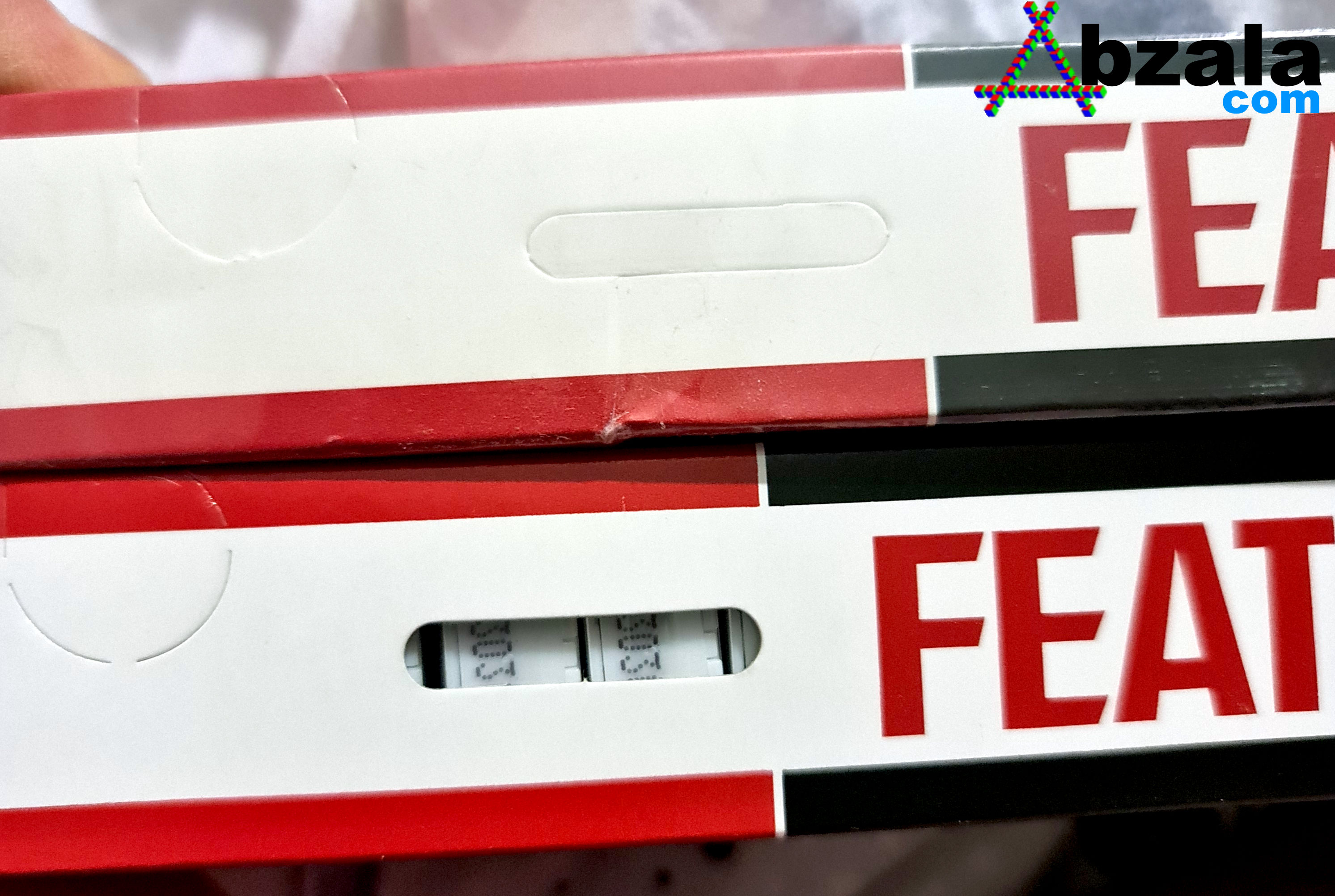
You can tell right away by the color—the red on the fake is darker. Also, the slots for identifying the number of blade packs and removing them from the blade block on the Chinese counterfeit are designed in the Russian style—they're not through-cut, so you won't be able to remove the punctured part.
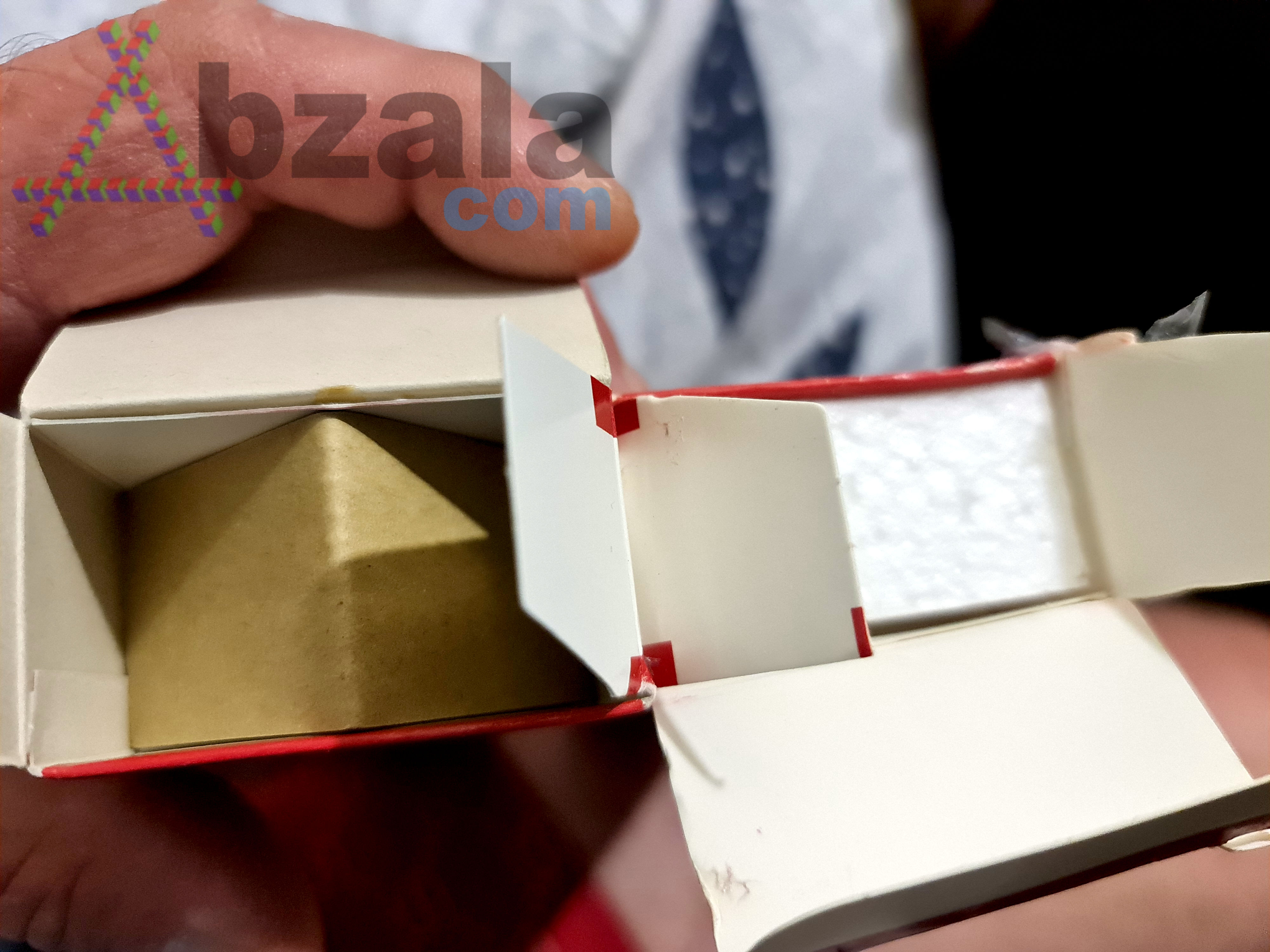
Further, if you open the bottom of the block, the original shock absorber is made of special pressed cardboard, while the Chinese replica has a piece of foam inserted.
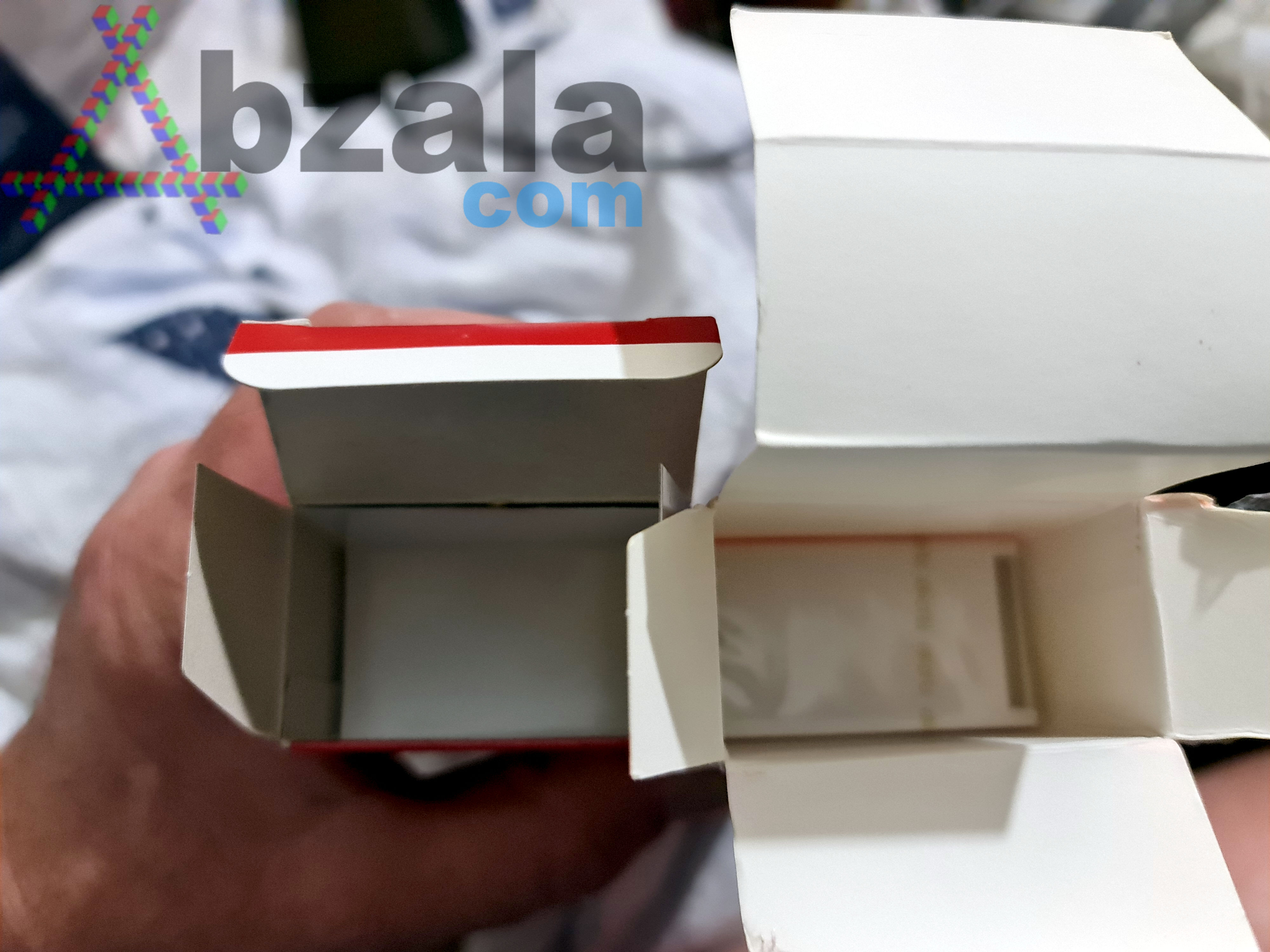
If you remove the shock absorber, then in the Japanese unit you will not be able to access the plastic boxes with blades, since the bottom is glued, but in the Chinese unit you can freely remove the packs of blades.
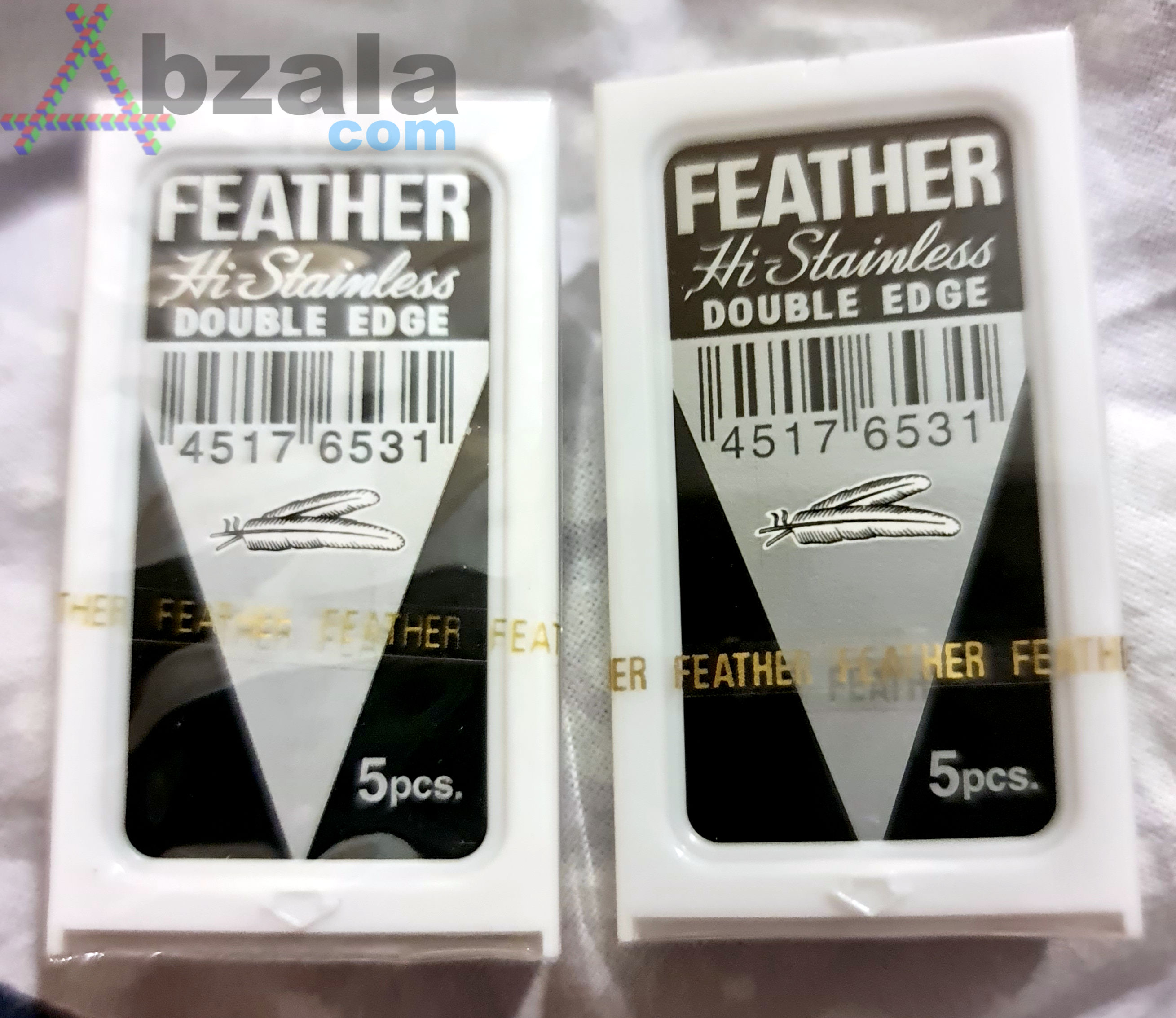
In the fake, the tape for removing the cellophane wrapper is glued crookedly (on the left), while in the original it is straight.
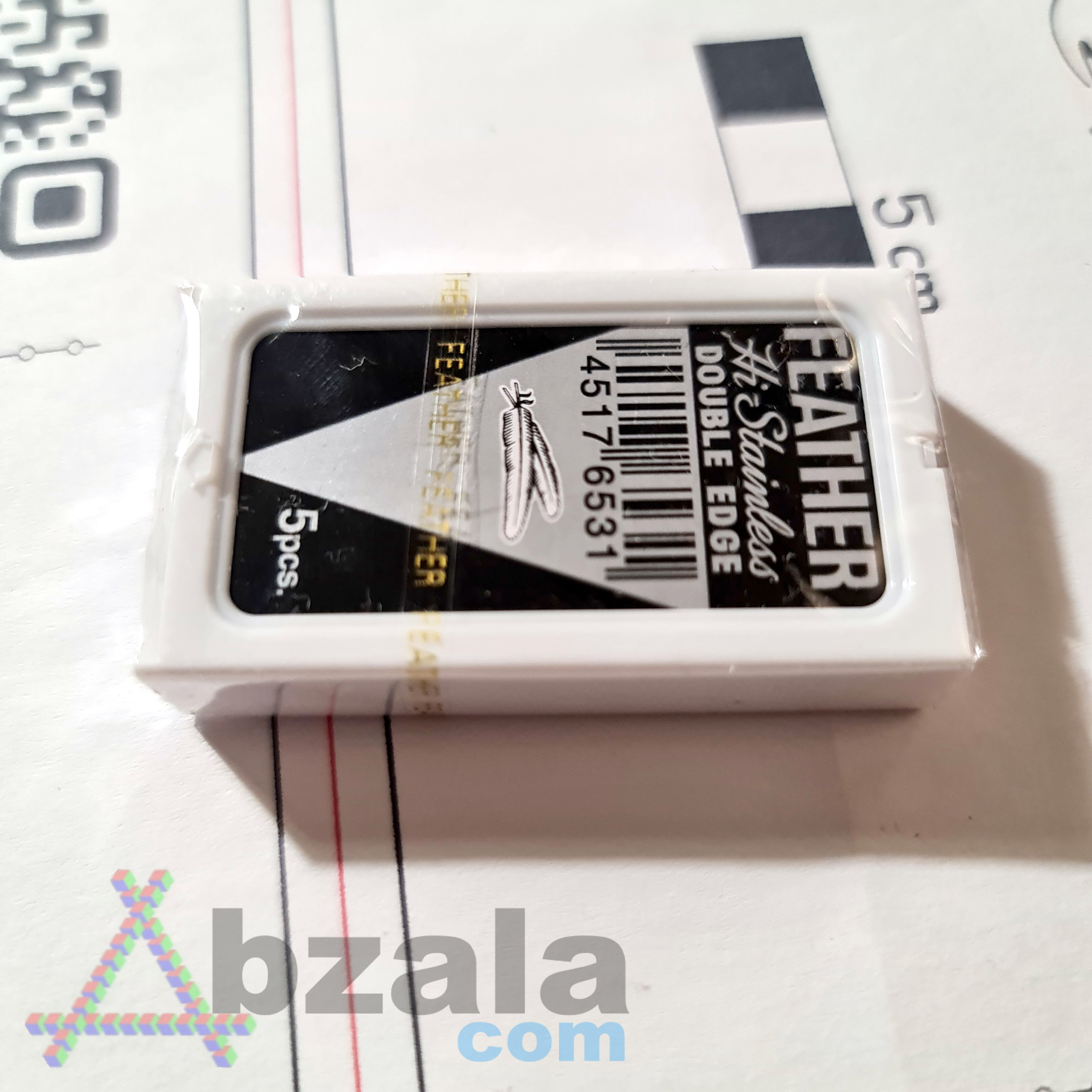
It's unclear how the tape can be glued crookedly during mass production - the Chinese don't just sit there and glue these strips by hand.
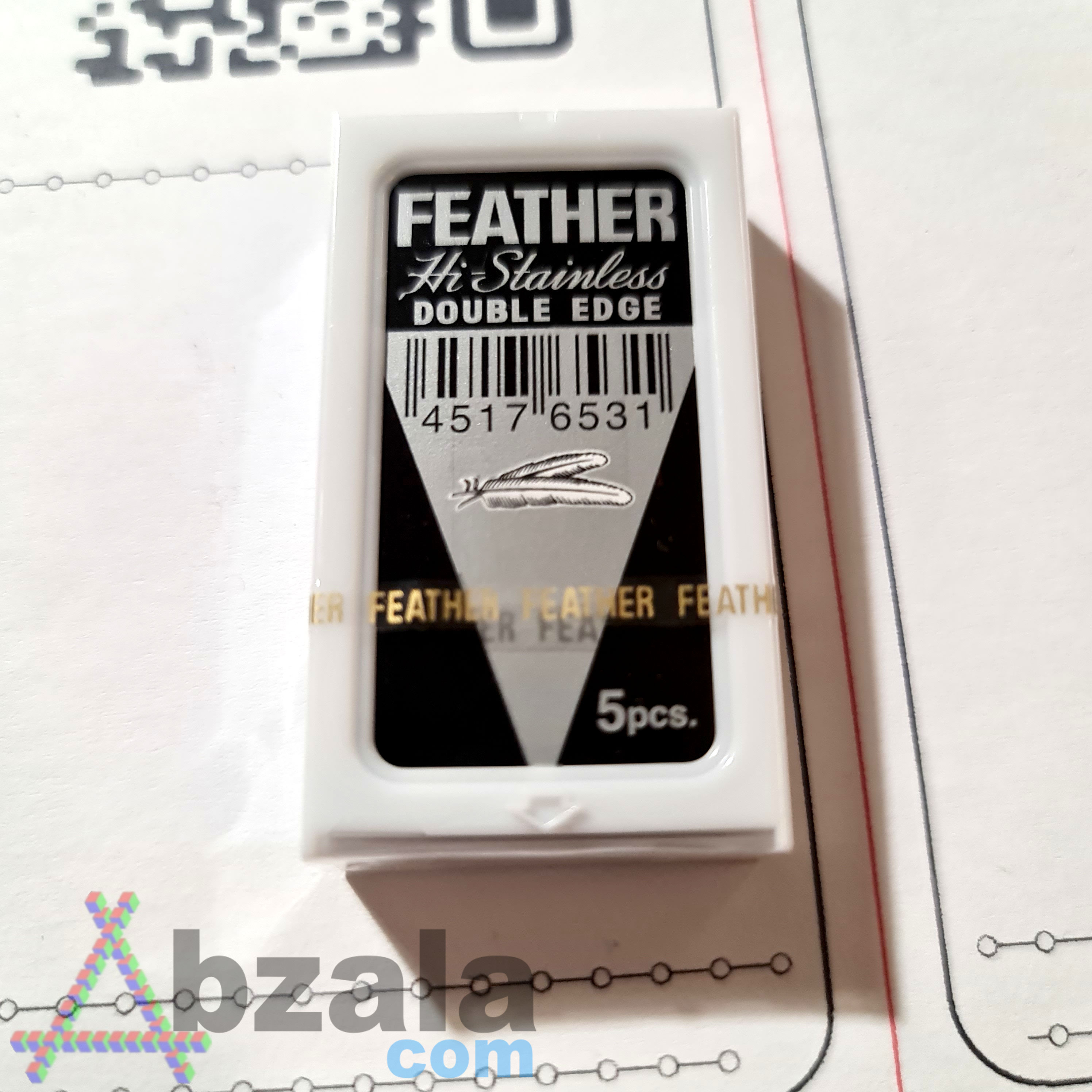
Also, the original pack wrapper sits flat and is made of a different material.
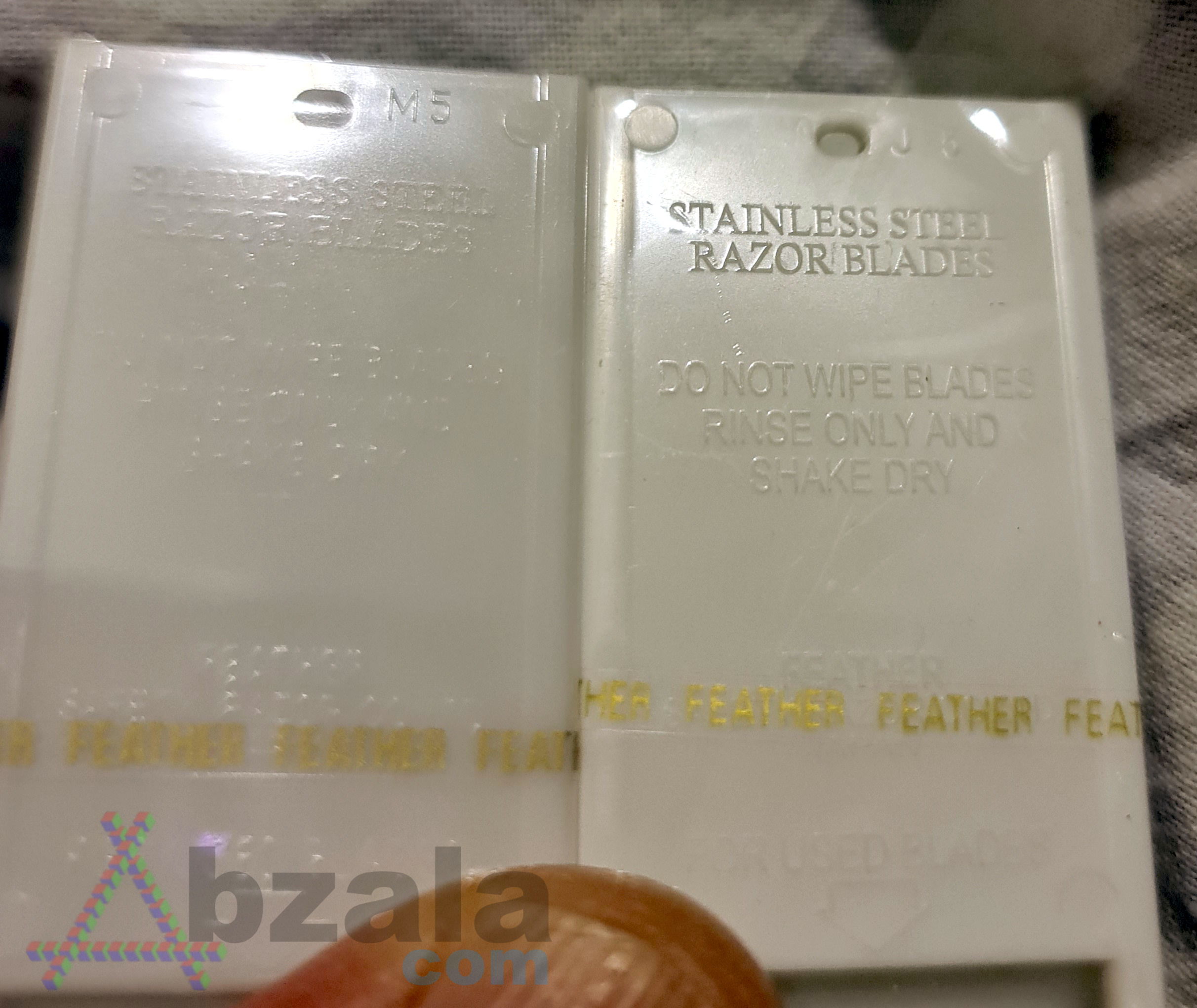
The text on the original plastic box is not as clear and raised as on the fake.
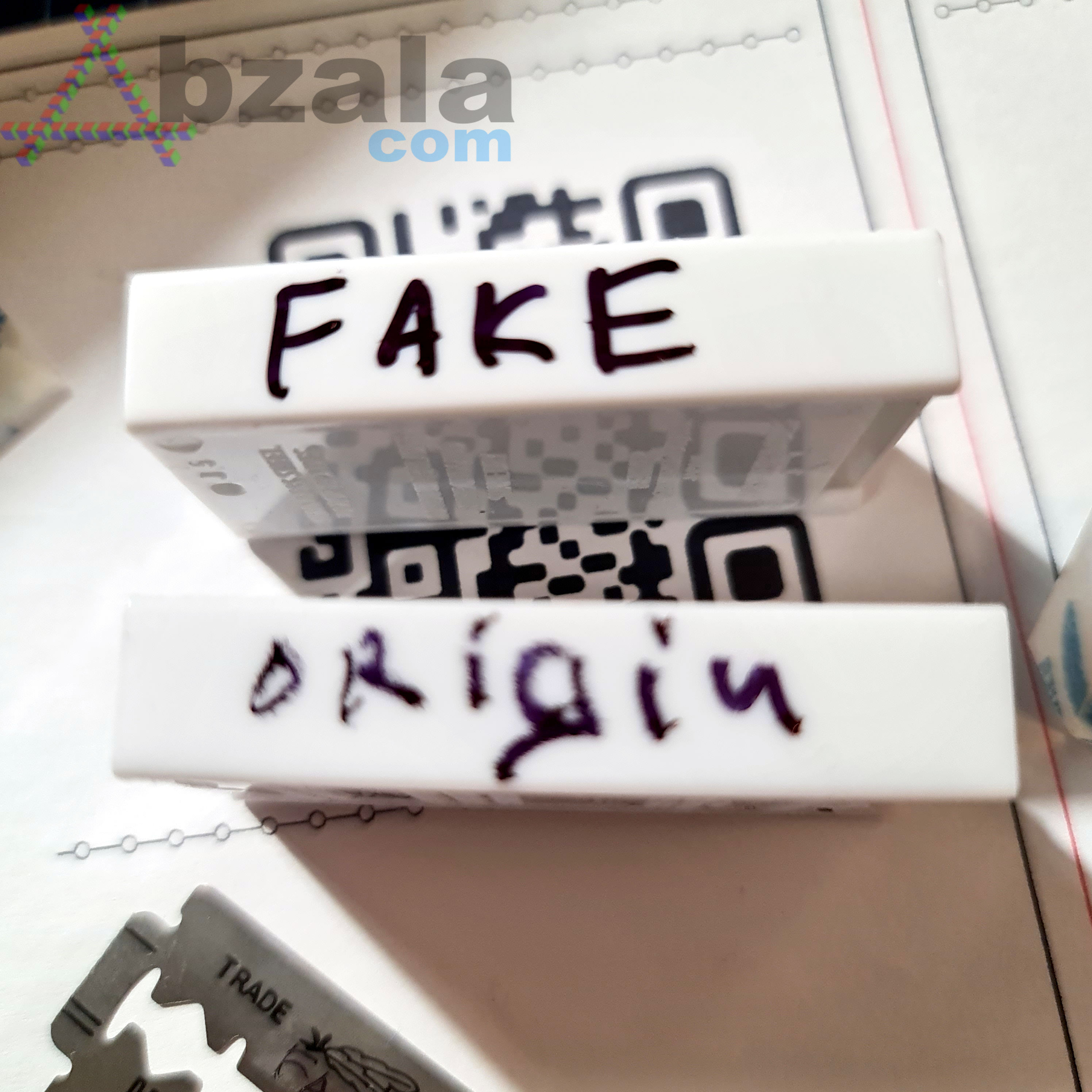
When text is applied with a permanent marker, the text on the counterfeit remains even, while on the original it blurs.
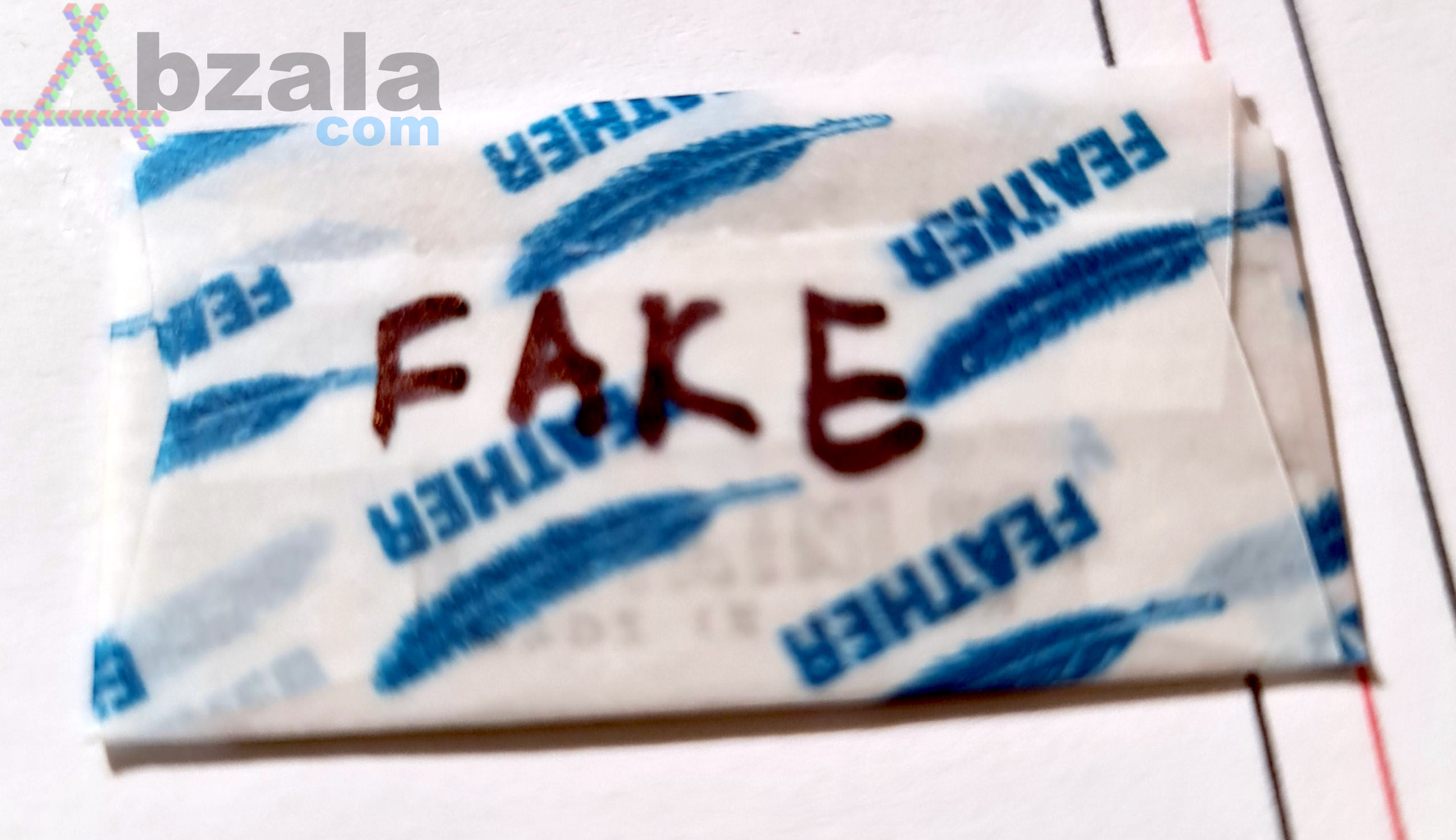
The design on the counterfeit envelope is light and has virtually no halftones.
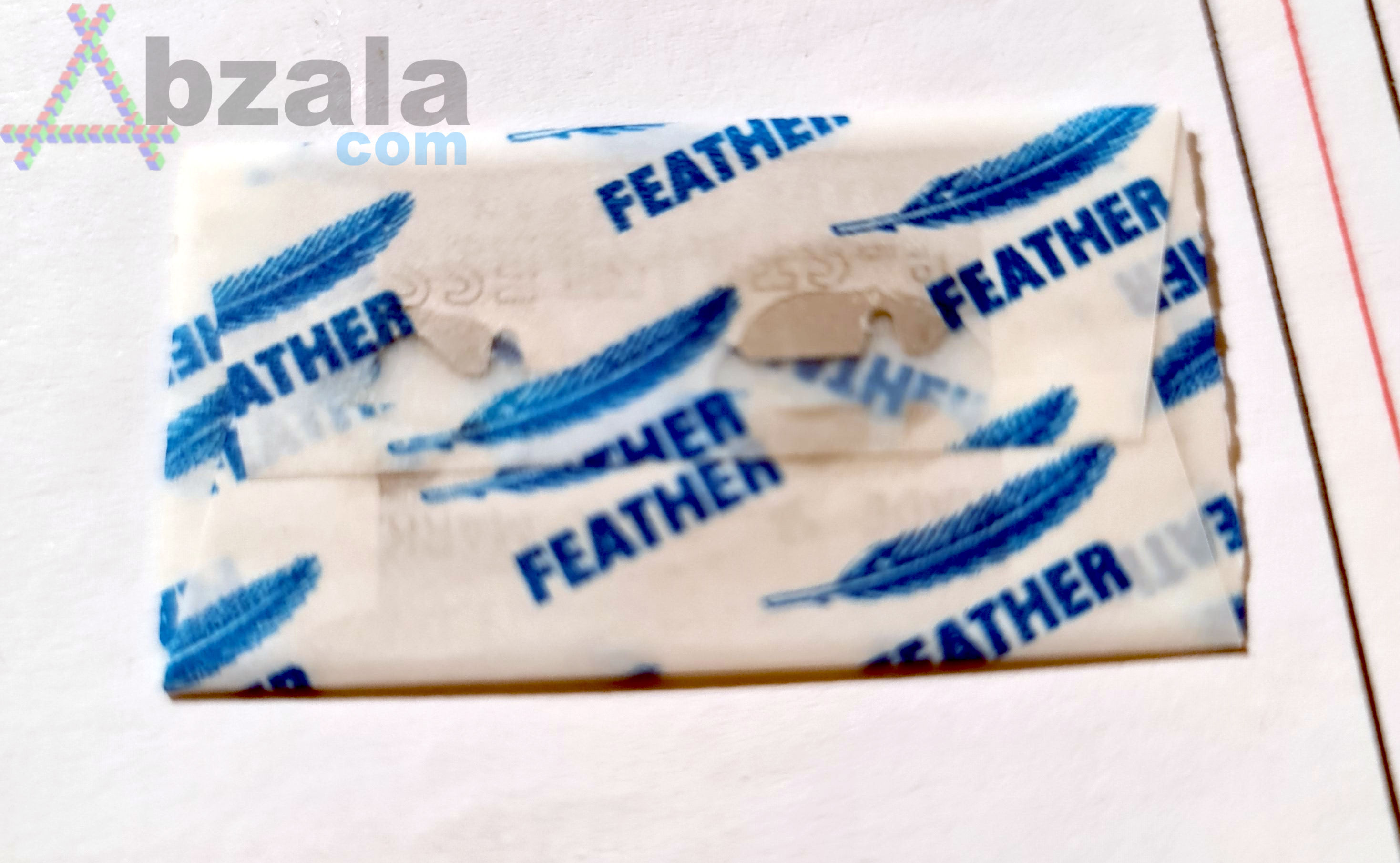
The original envelope has a darker, half-tone design. This is especially noticeable on the feathers.
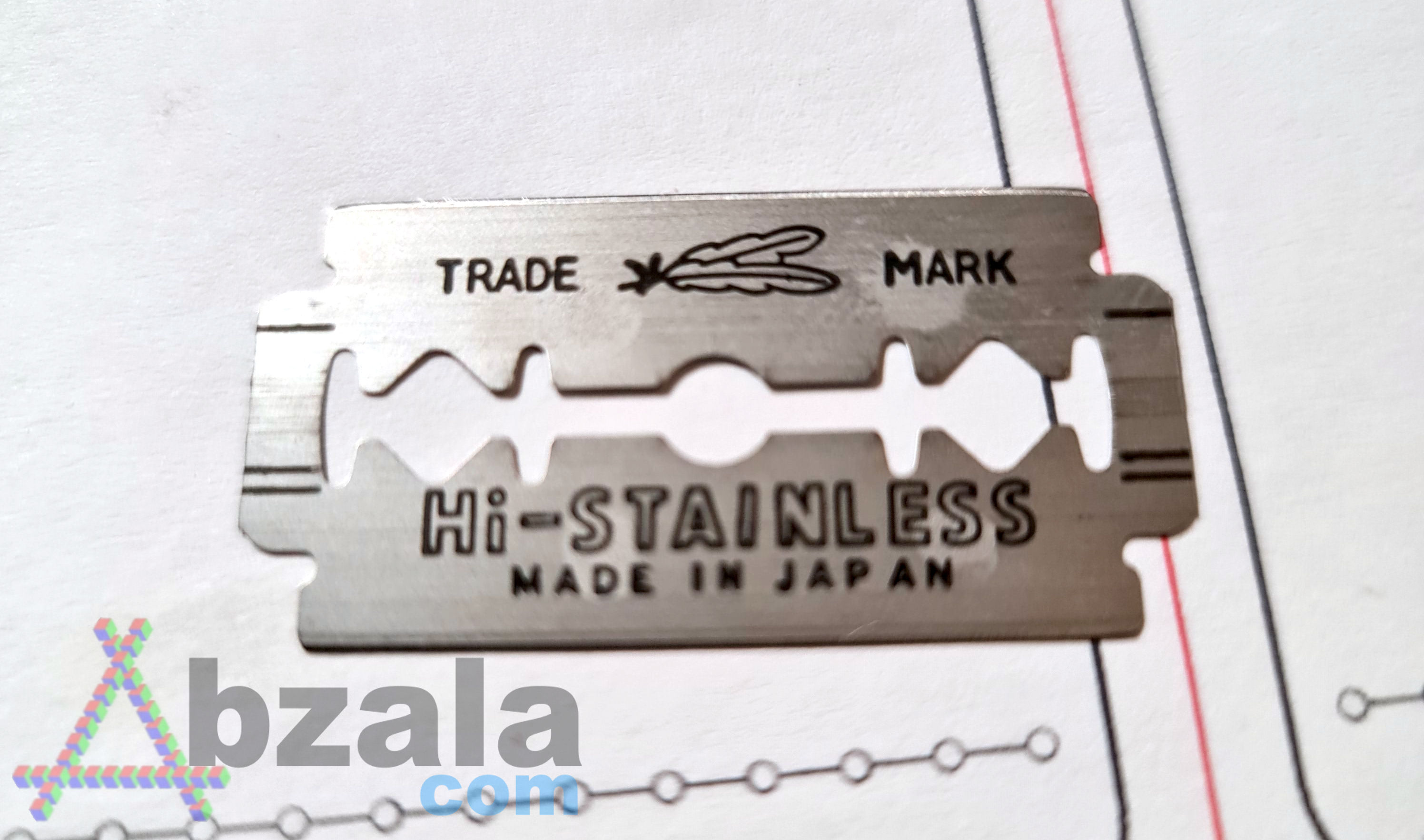
The fake is attached to the envelope in four places, and instead of paraffin, as in the original, it is applied with glue, which practically does not perform its function.
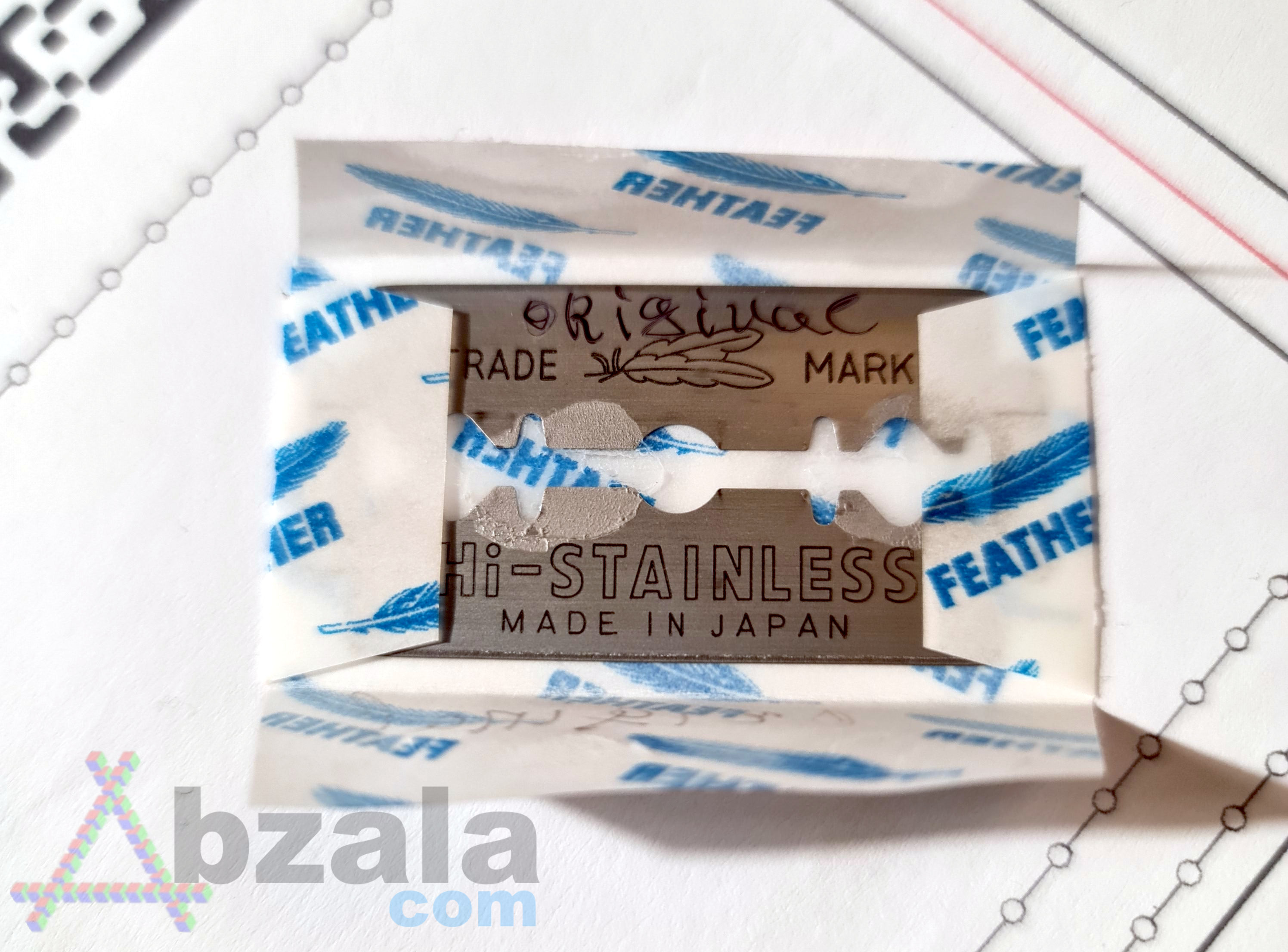
In the original, the blades are attached to the envelope with two thick dots of paraffin, which also hold the edges of the envelope and seal it.
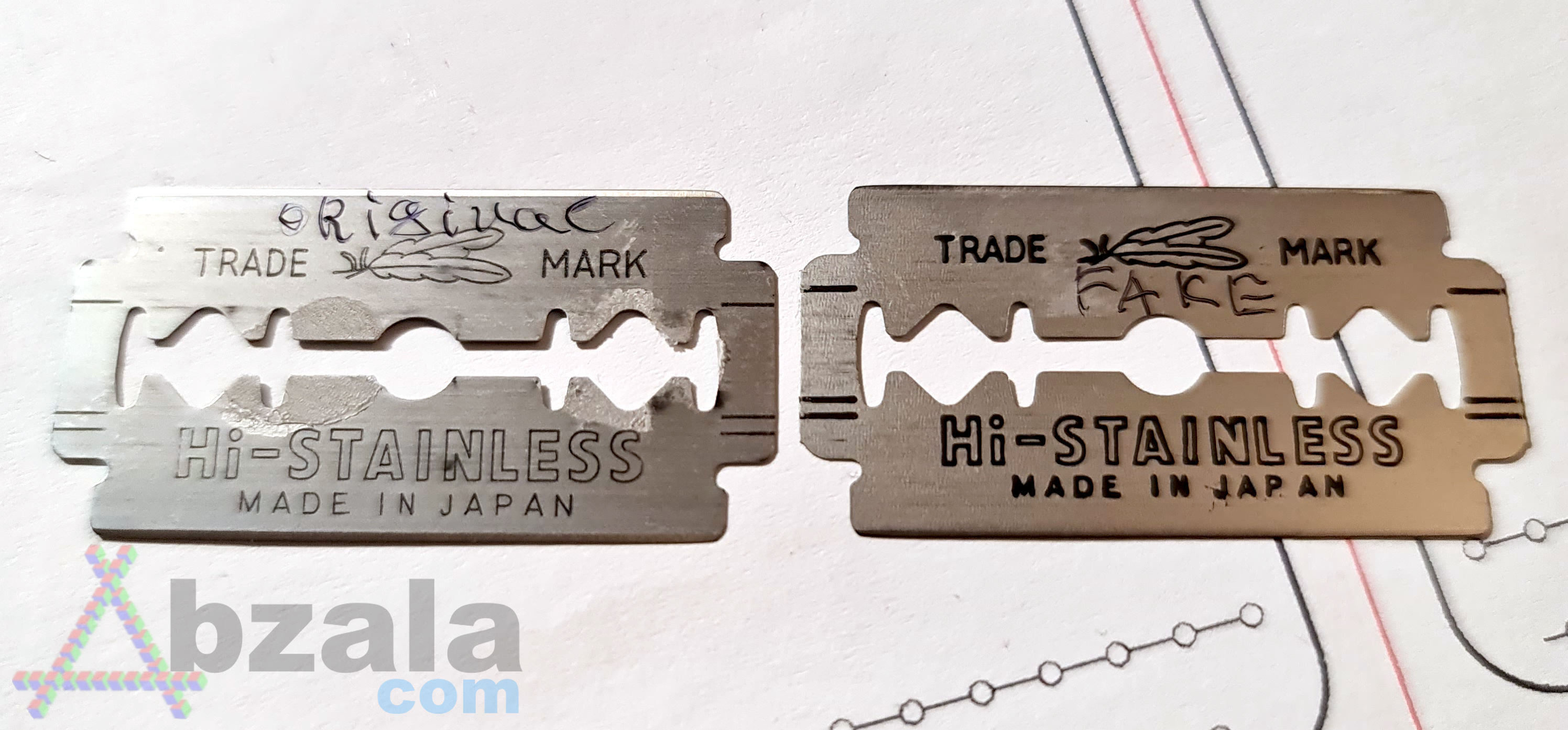
A comparison of original and counterfeit Feather blades. The writing and design on the counterfeit are bolder than on the original. Also, the counterfeit blade has a space after the letter "P" in the word "Japan," while the original blade is written as one word.
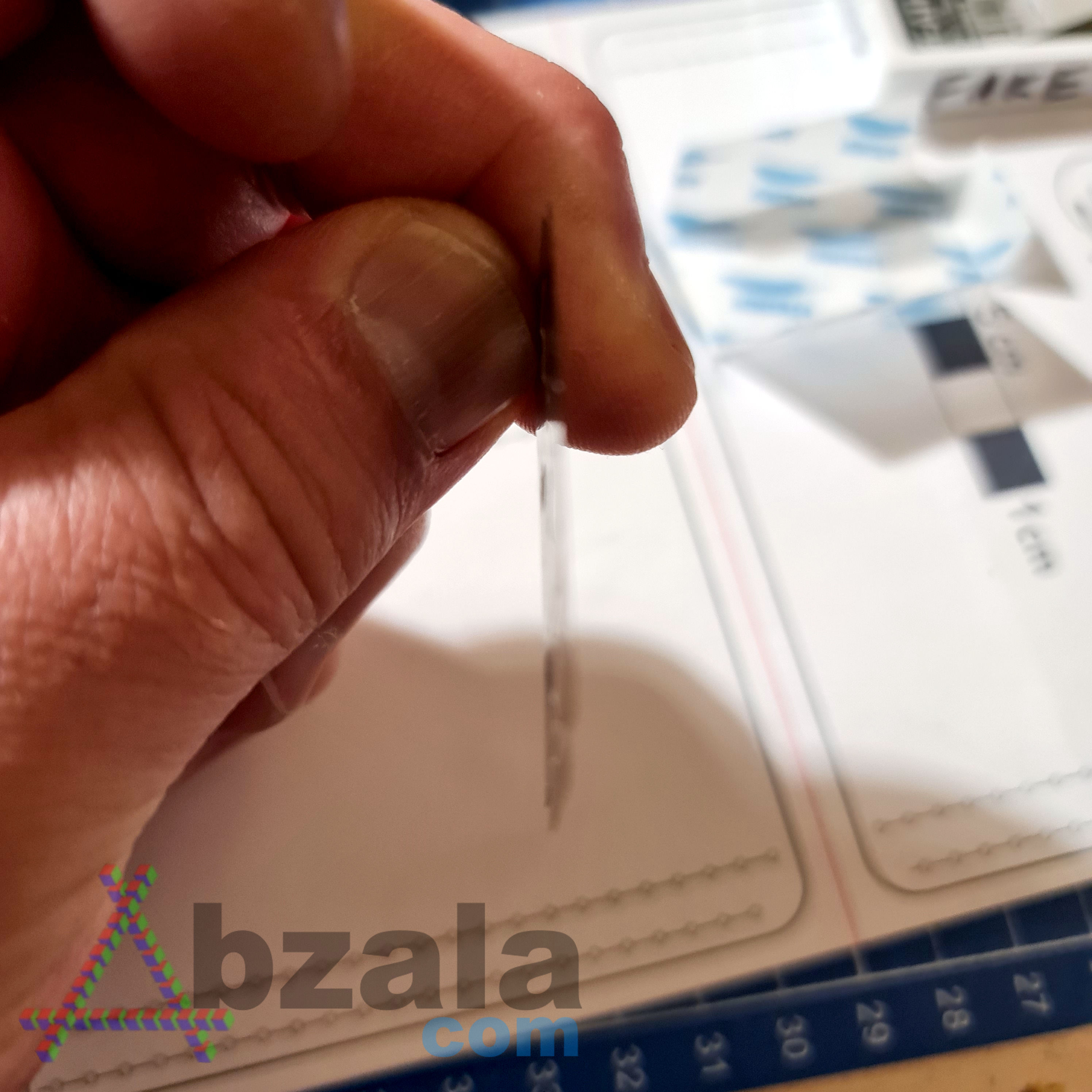
The blade, like most Chinese, Pakistani, and other blades, has an arc. The blades are made from coils. It's likely the manufacturing process is flawed, and the blade isn't straightened during production.
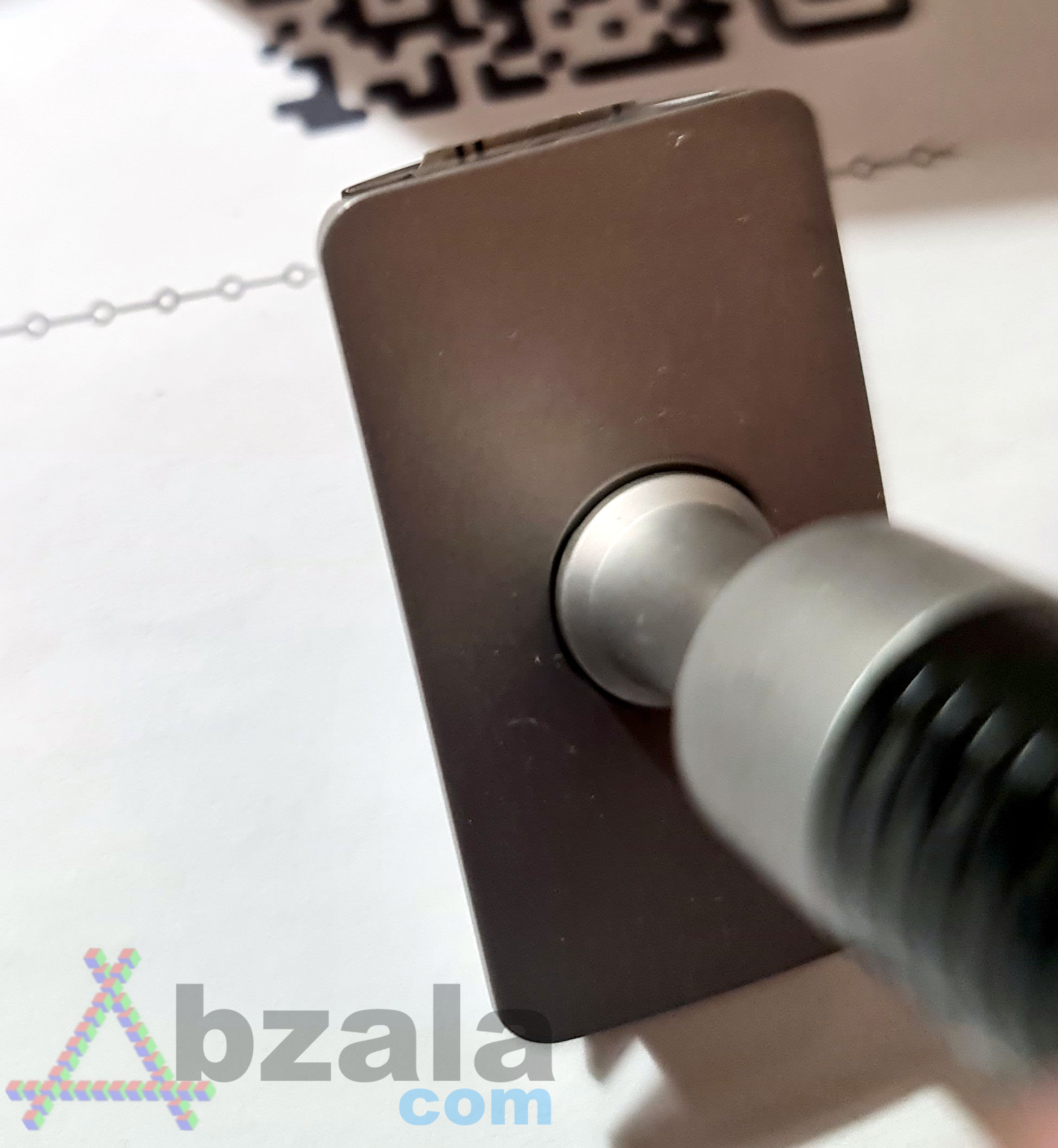
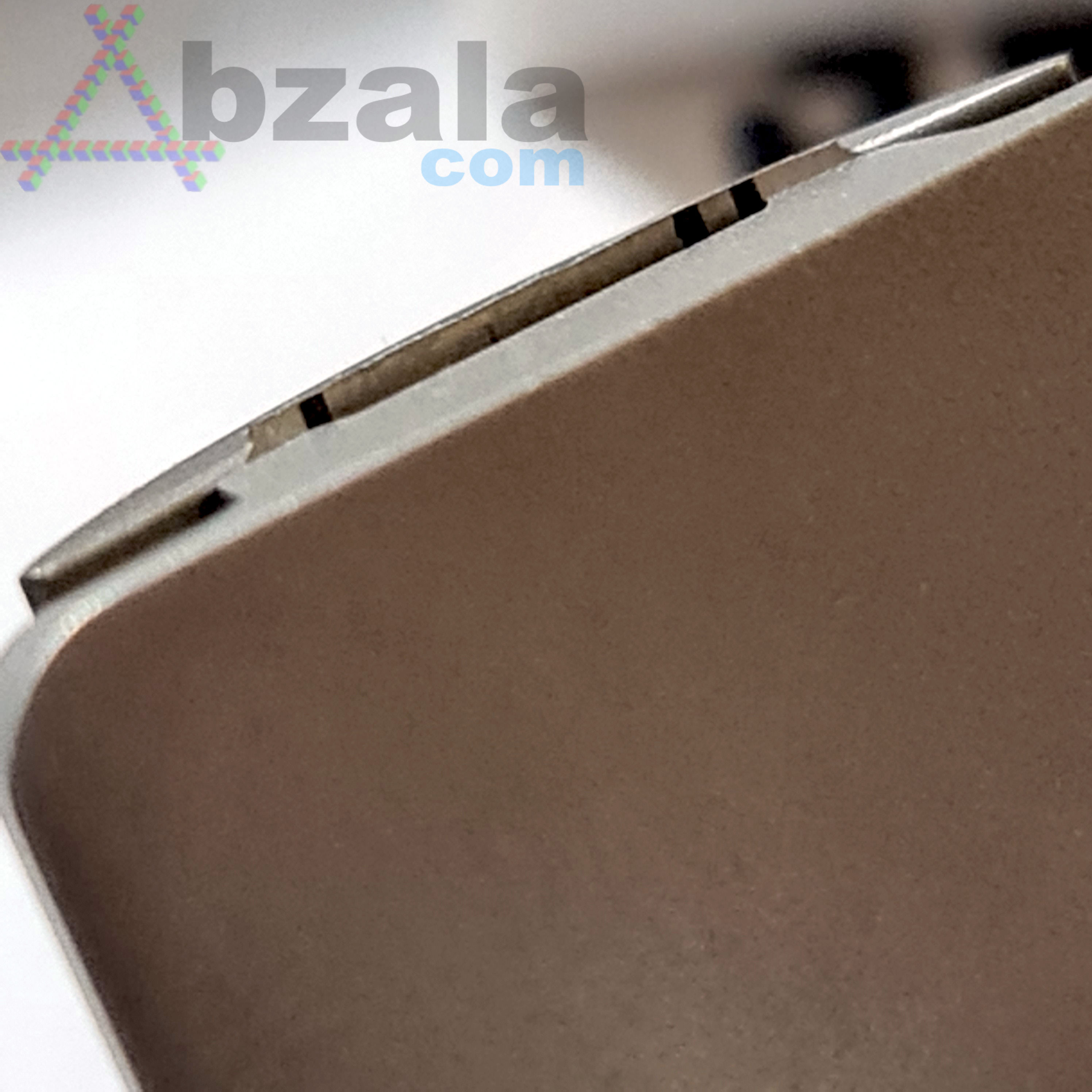
In the Muehle Rocca machine, not only the blade ears but also the blade body protrude from the plates, and at an angle.
Knowing that Chinese blades have a bitchy nature, I didn’t want to shave with the Muehle Rocca, so I installed them in the soft head of the Parker 68S.
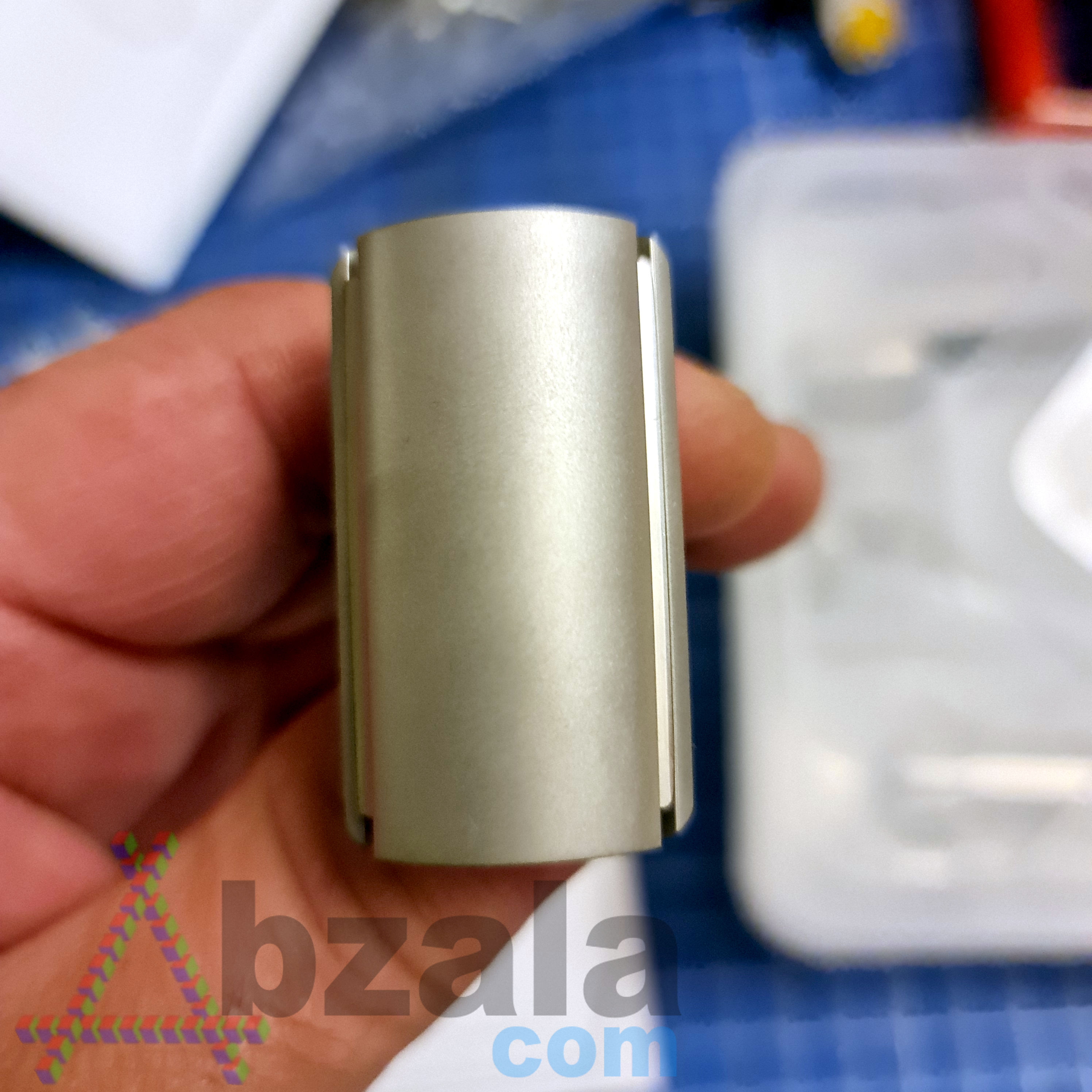
You can shave with fake Feathers, but it's like using regular Chinese razors. I'll break them in half and use them in a YAQI Tachi head to recoup the cost of the blades; this soft head offers a comfortable shave.