Russian (Russia)
  English (United Kingdom)

The quality of shoes, like everything else, is steadily declining. To find decent quality, you have to look to vintage brands.
This is also facilitated by the fact that when ordering handmade shoes, for example, in China, you still won’t be able to get boots made of high-quality leather - they will try to sell you excellently made shoes, but with mediocre leather, since cattle leather is not processed in China.
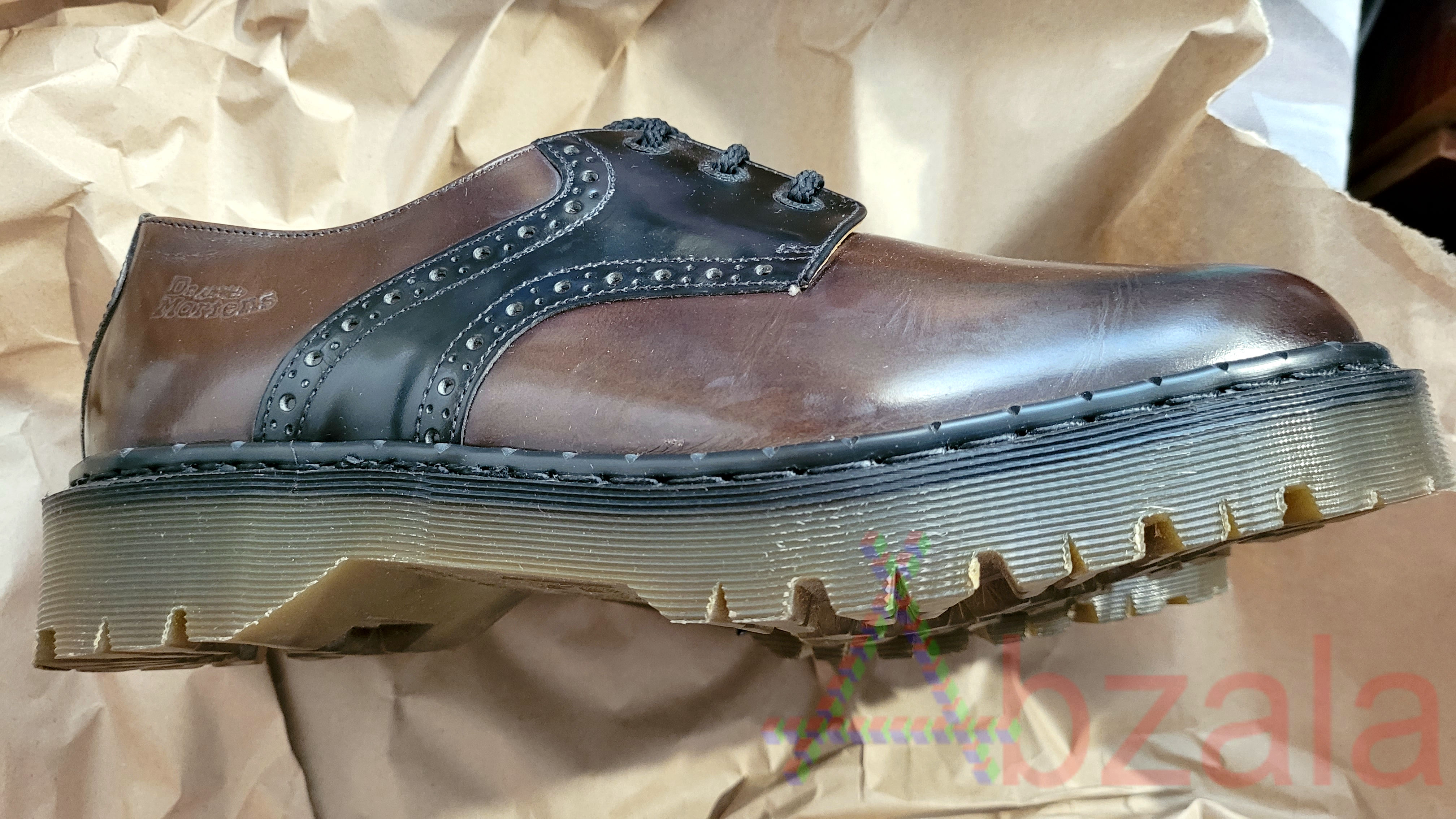
Luckily, there is a community on VKontakte Vintage Galosha, in which new and rare Dr. Martens models and similar ones periodically appear.
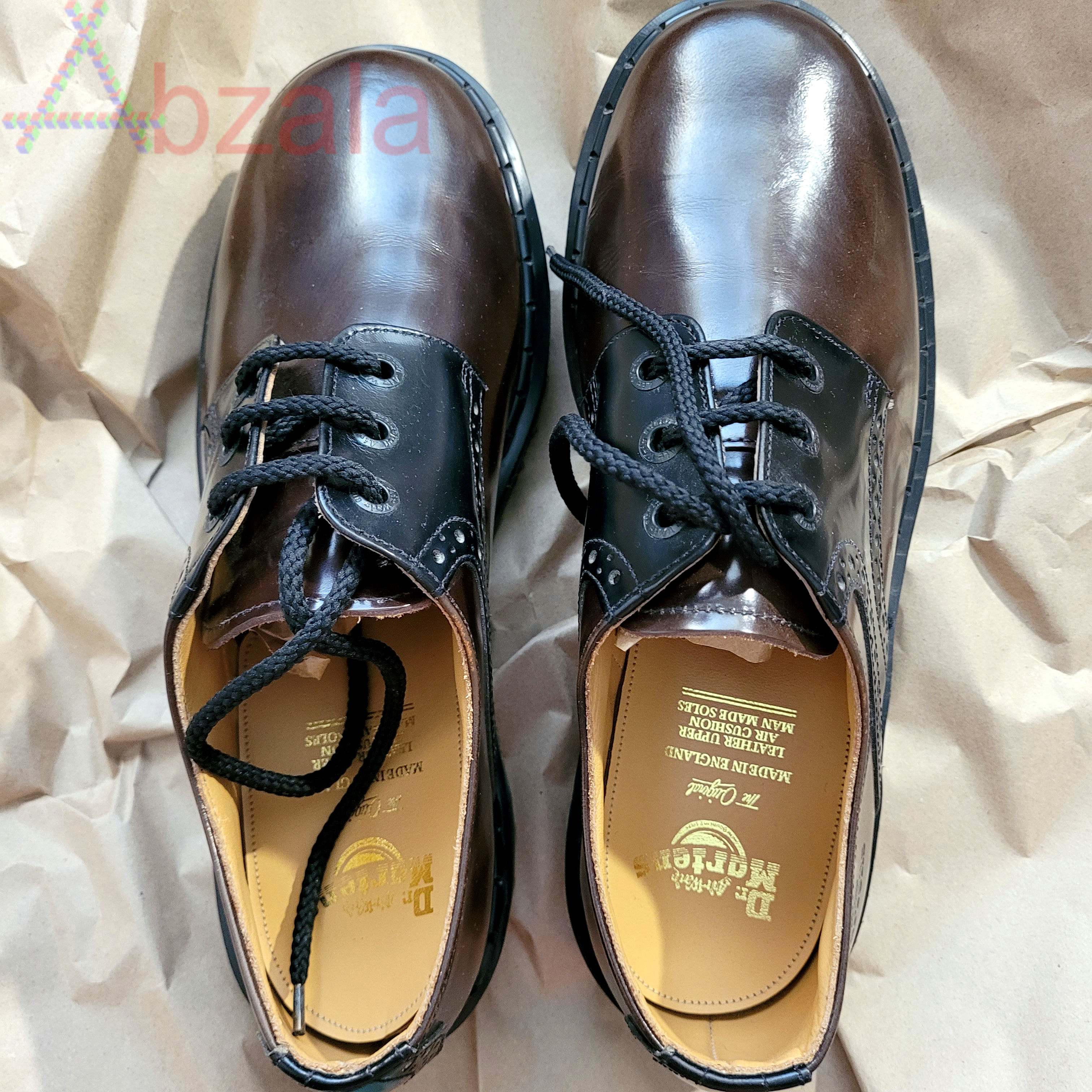
DR MARTENS 8277Z BEX boots are classic brogue derby shoes.
Besides the design itself, two-tone models themselves are a great rarity among Dr. Martens products.
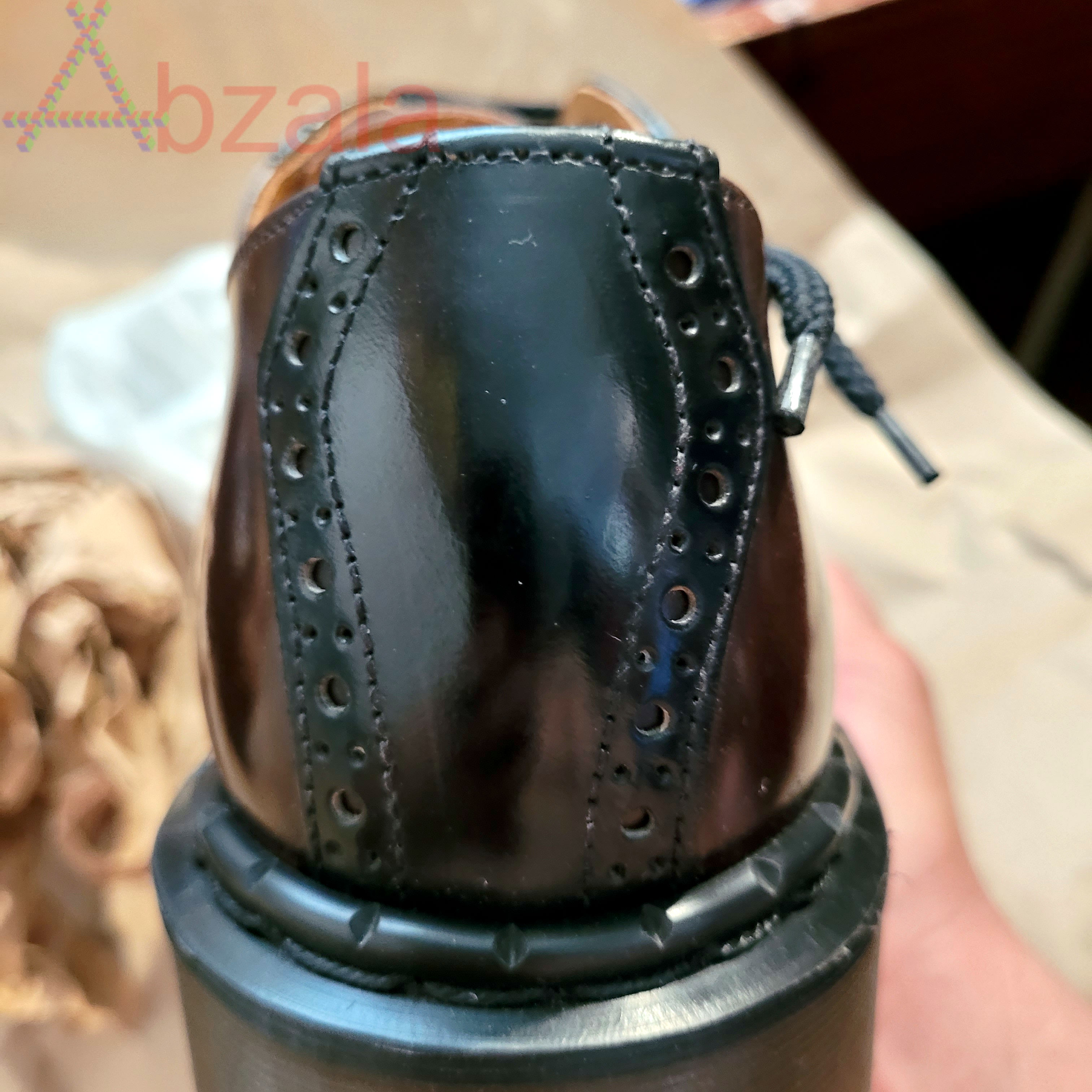
The very first sign of authenticity in any brand-name shoe is checking the stiffness of the heel counter; it should be firm and not deform when pressed. Russian and Chinese shoes skimp on this and, at best, use a so-called heel counter—a thin, plastic reinforcement that easily deforms and doesn't return to its original shape.
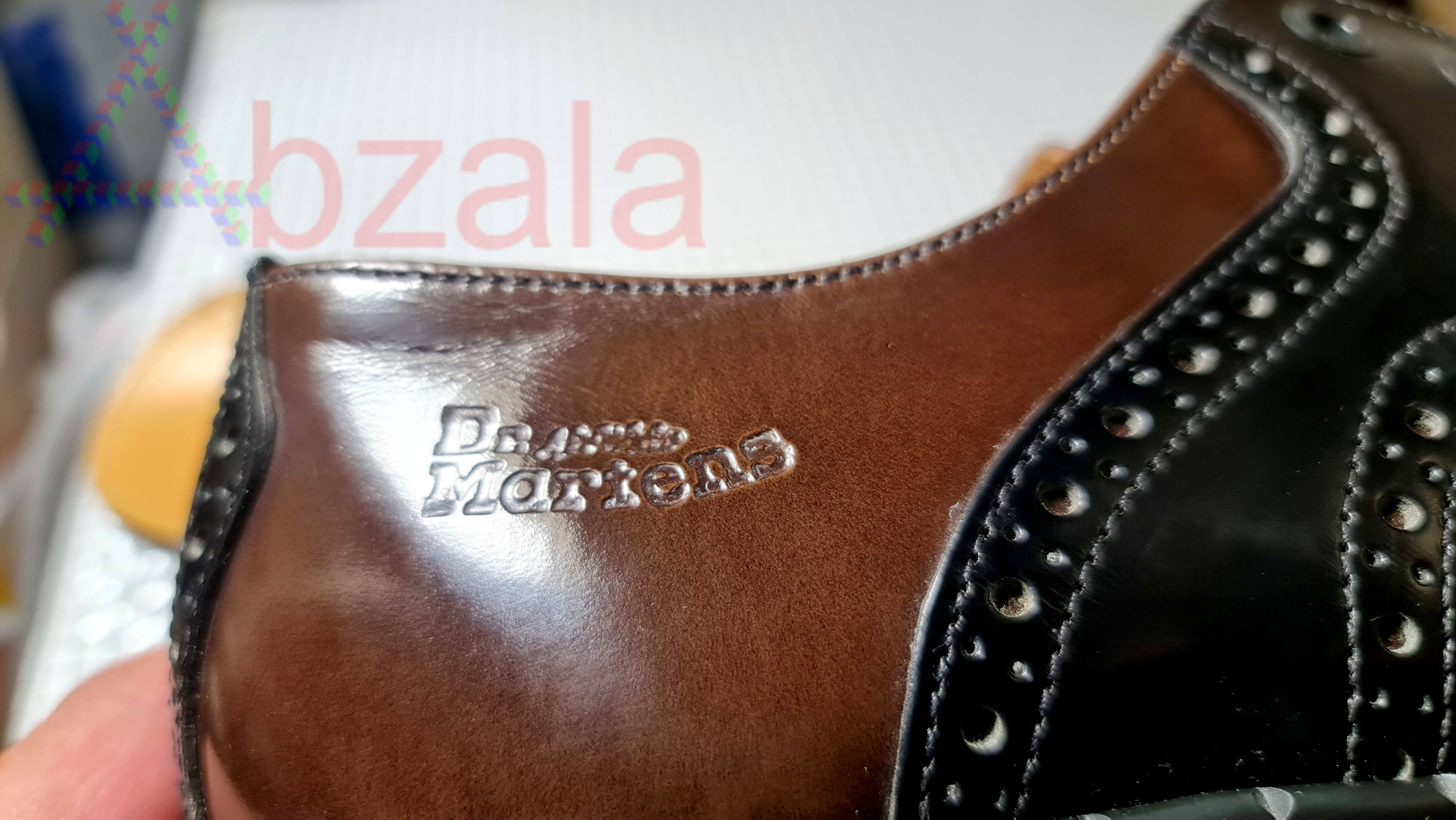
Since this pair is circa the 1980s-90s, the back of the half-pair features an embossed Dr. Martens logo. Since 2003, Dr. Martens has stopped embossing the company logo on leather shoes to reduce production costs after moving production to Asia. Due to the rapid change in leather quality and its inconsistency, it was impossible to consistently achieve a high-quality embossing without a high rate of defects. Instead, they simply sewed a black strap with a yellow embroidered Dr. Martens logo onto the back of the half-pair.
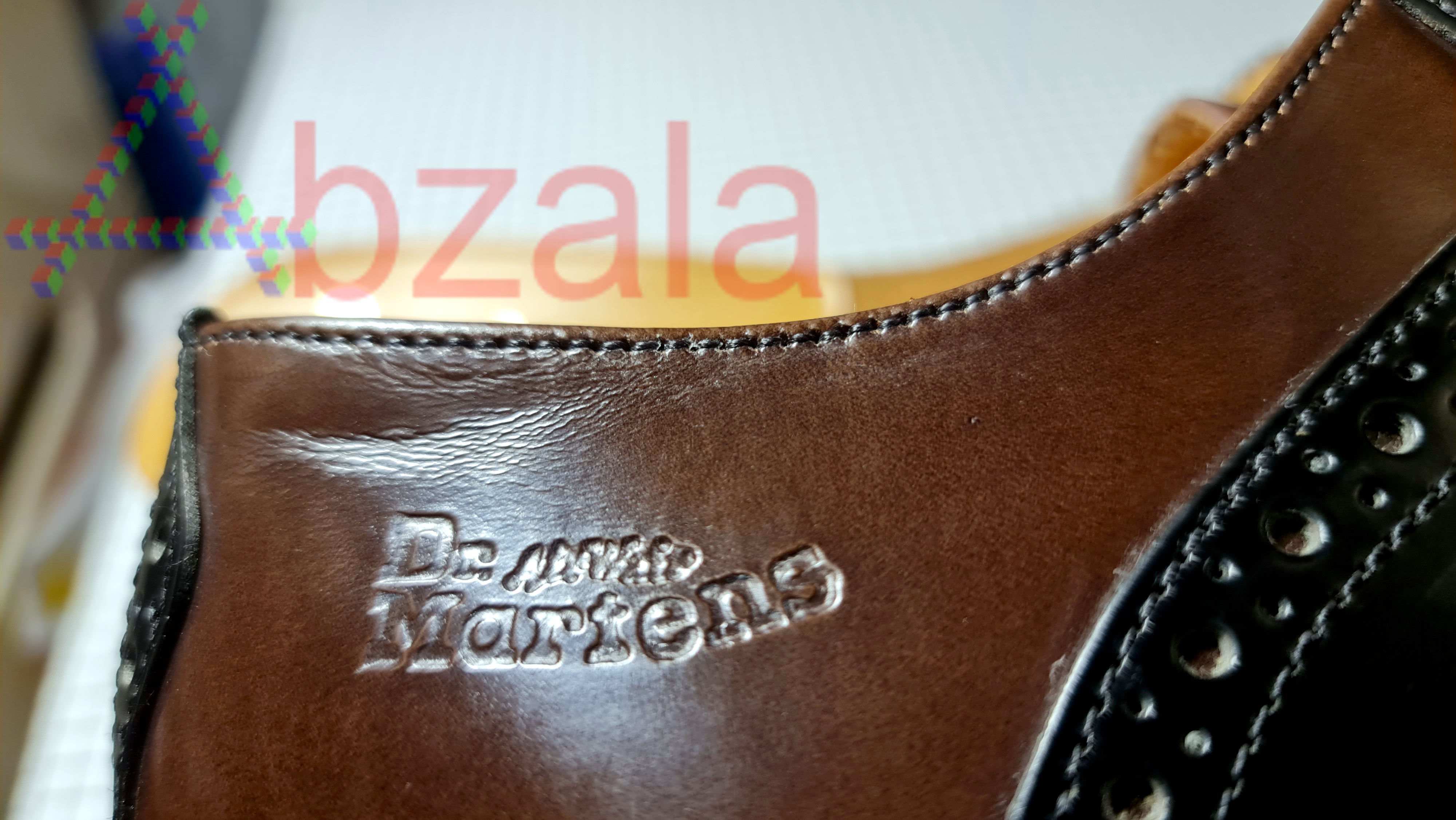
The excellent quality of the leather is demonstrated by a stitch length of 1 millimeter. Modern grades of leather simply cannot support layers of leather with such a stitch length—the leather will simply tear through immediately or while wearing the boots.
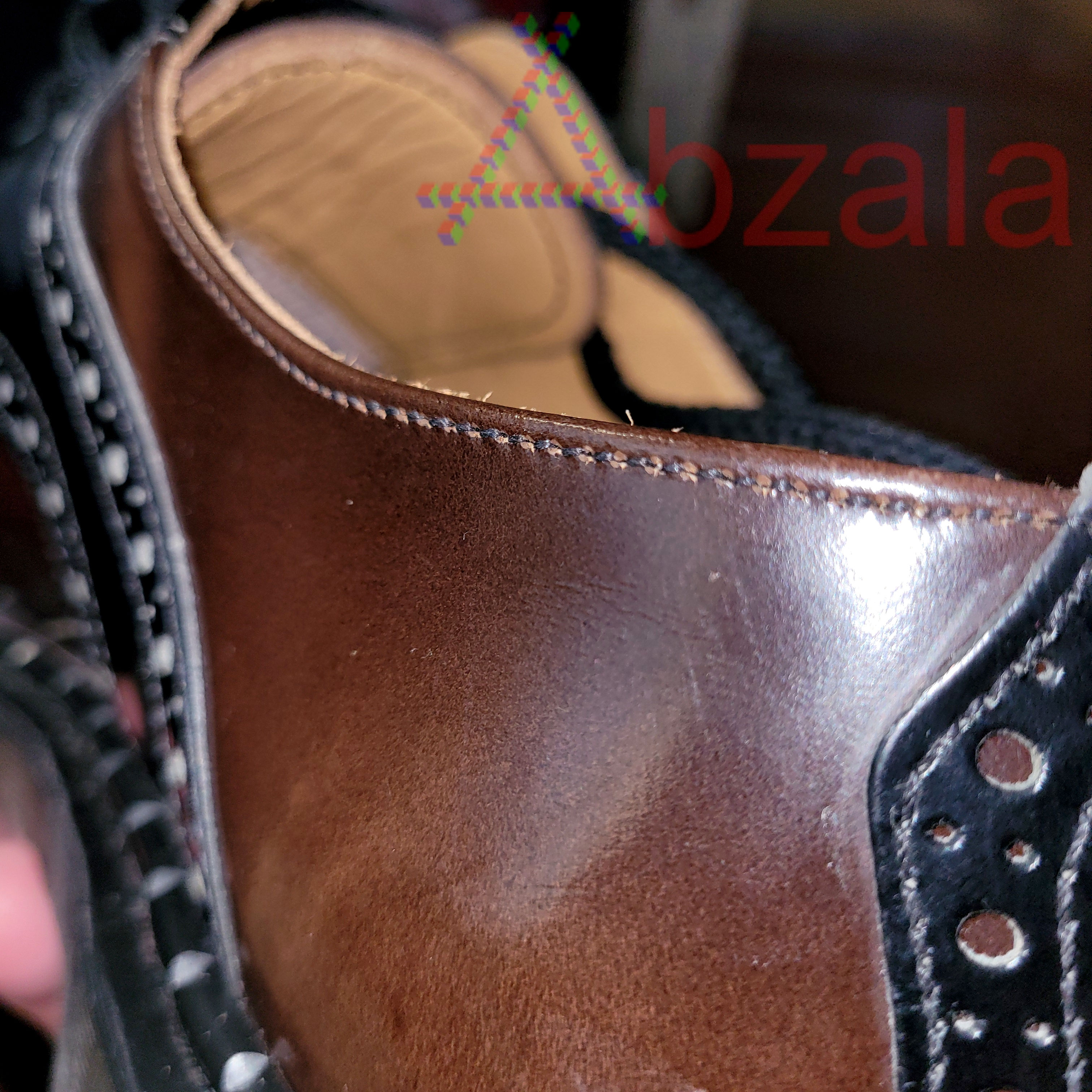
The excellent thickness of the leather, especially the lining, means that there is no need to turn up the leather at the edges.
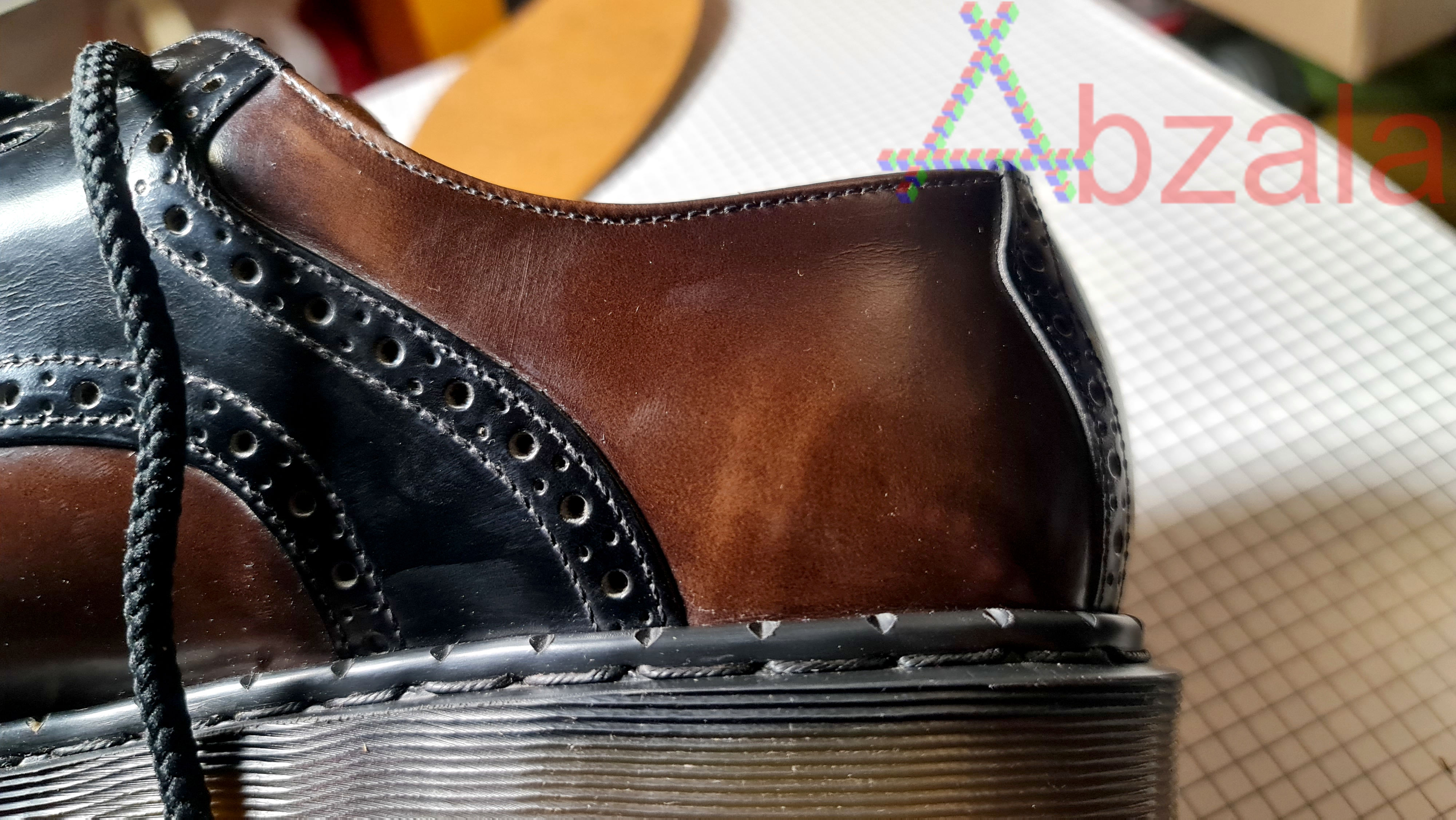
The leather is of the highest quality and even has a pull-up effect (lightens where it bends and where stress is present); it visually resembles Shell Cordovan leather, but it may actually be the real deal, adding a warm feeling to the purchase.
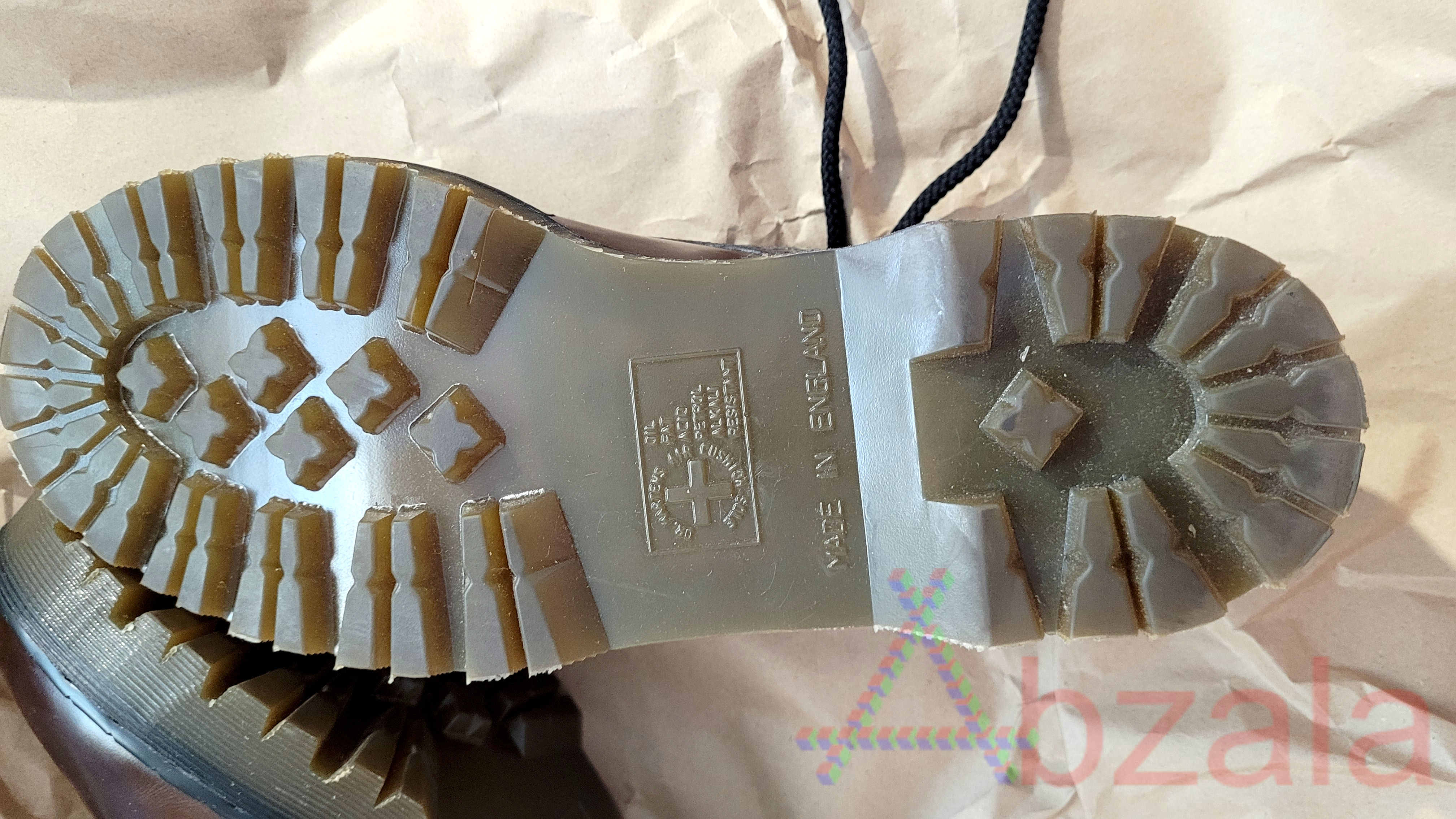
Visually, the sole from below is similar to the sole of modern models, except for the inscription MADE IN ENGLAND.
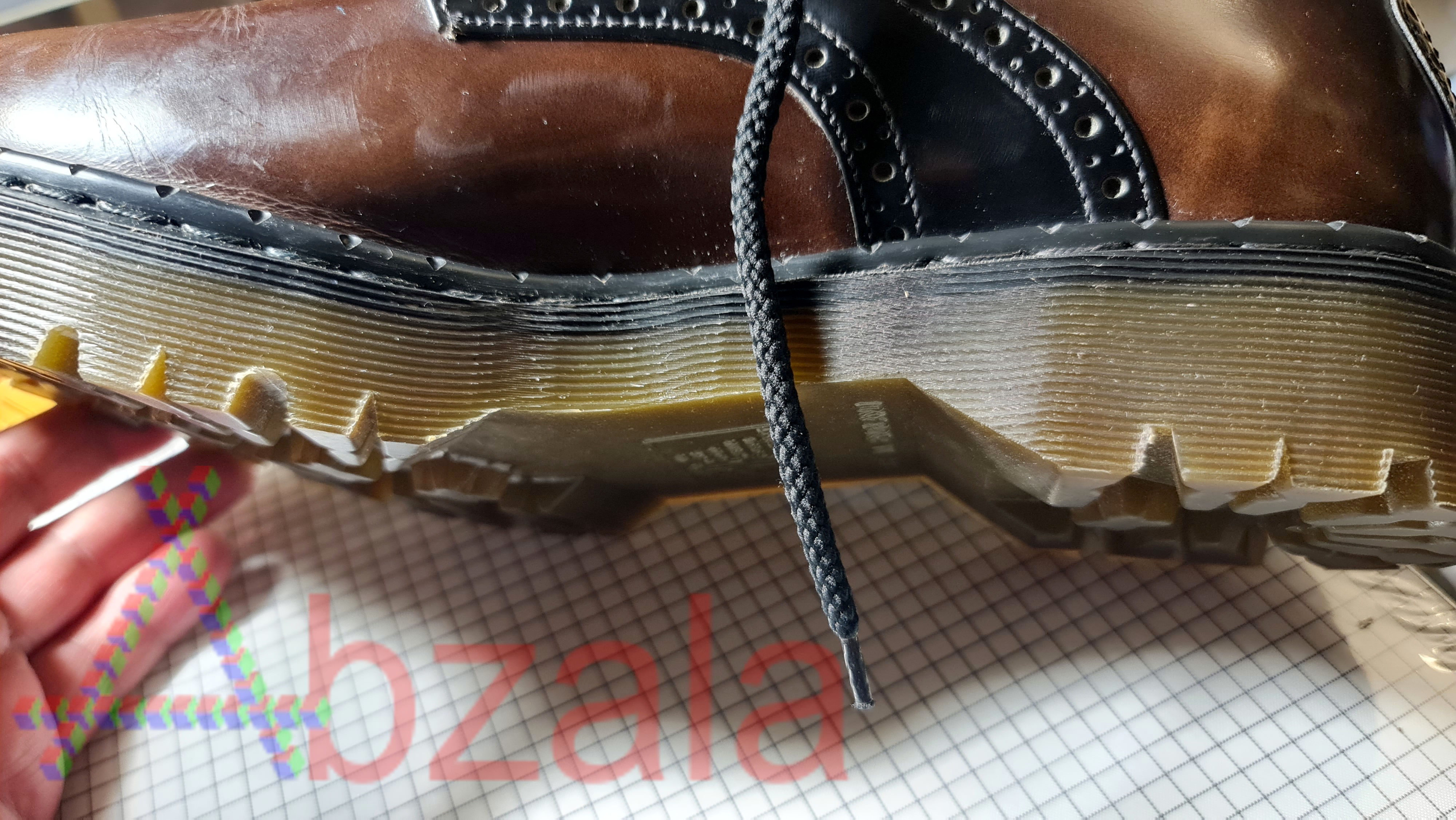
However, the BEX sole is thicker than standard models, such as 1460.
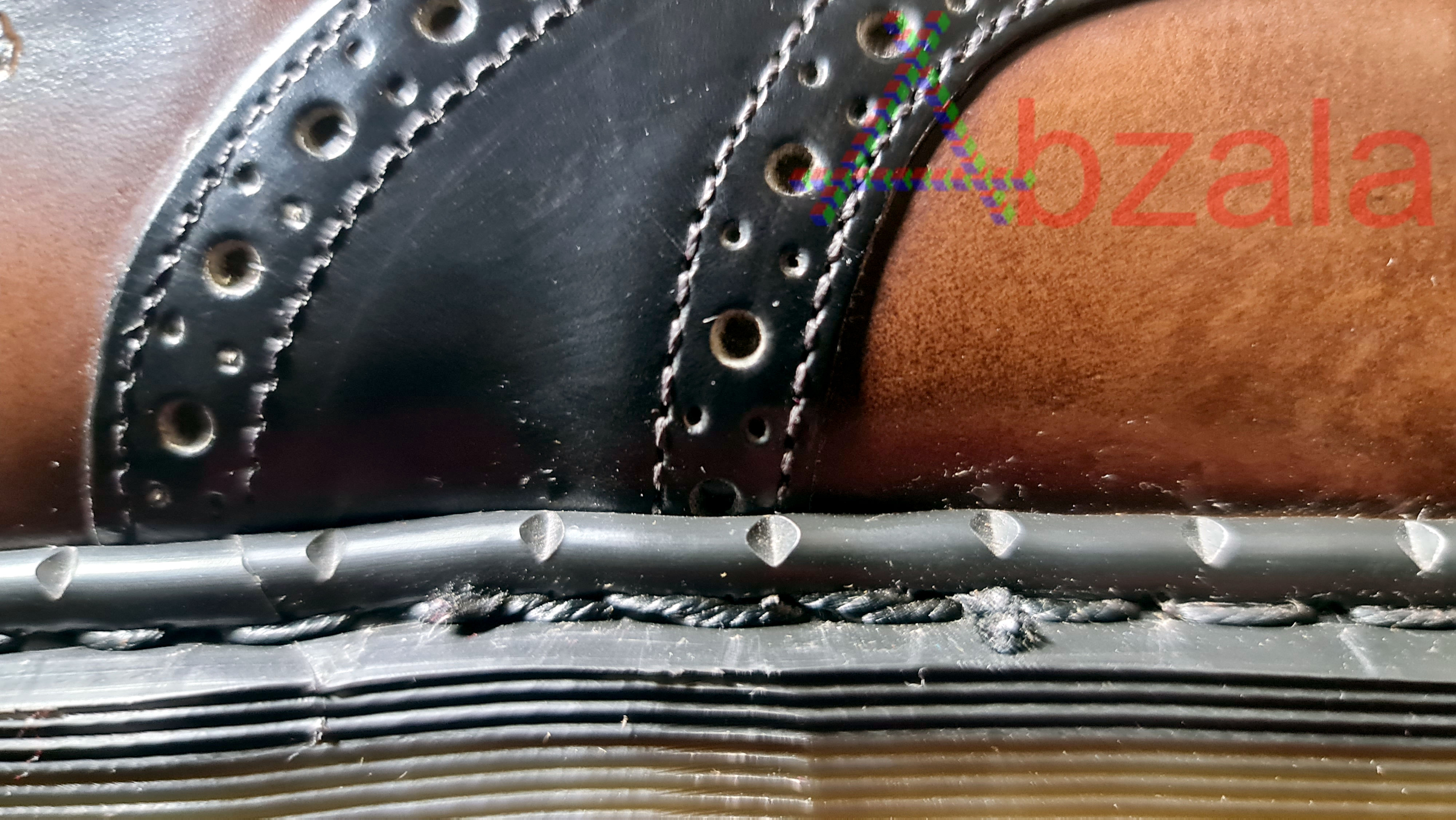
I suspect the stitching wasn't done on a sewing machine, but by hand. This is indicated by the seam lock on the piping, where the knots were hand-made and then hand-sewn.
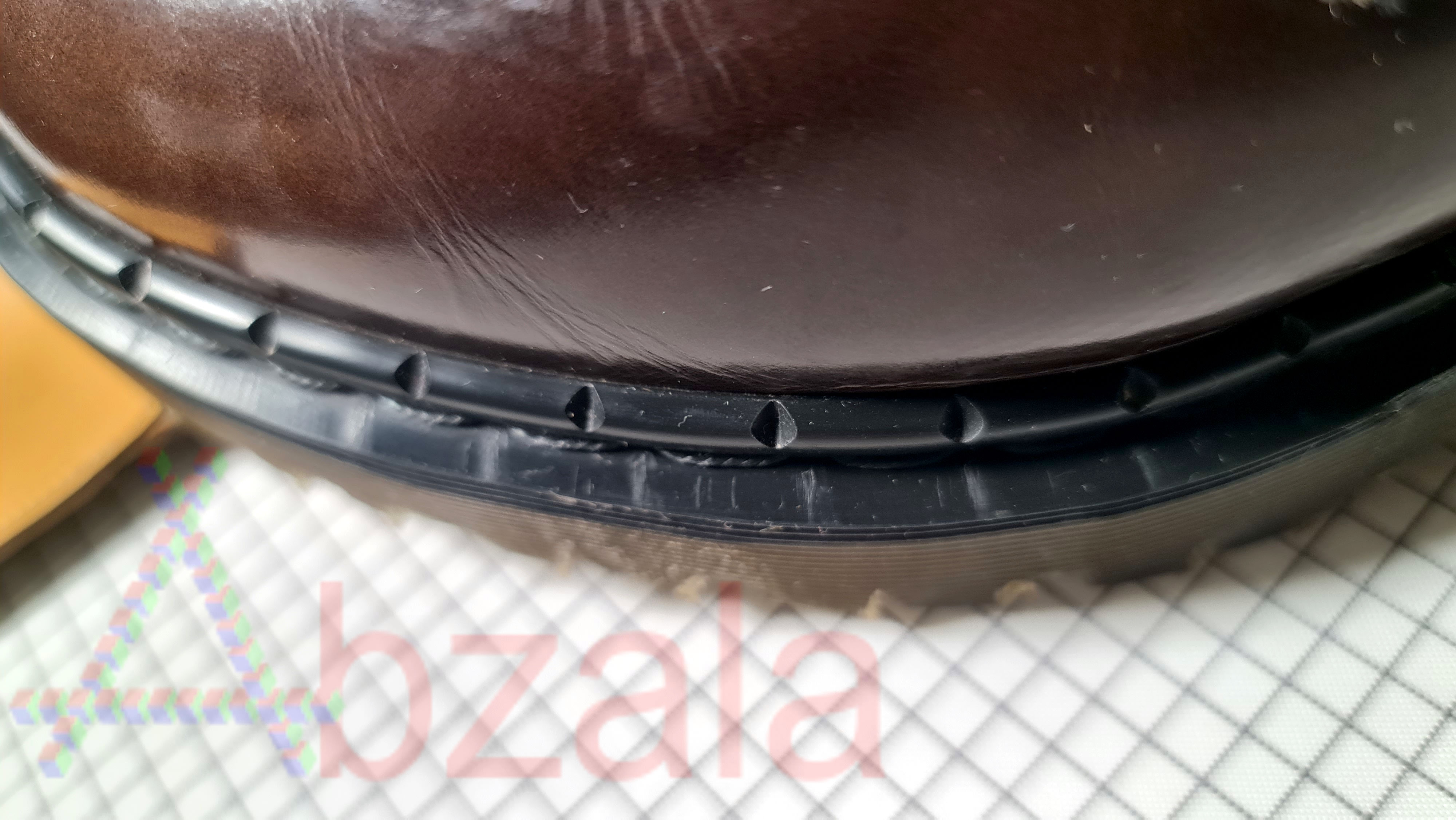
There are also visible marks from an awl on the piping, which also indicates hand stitching.
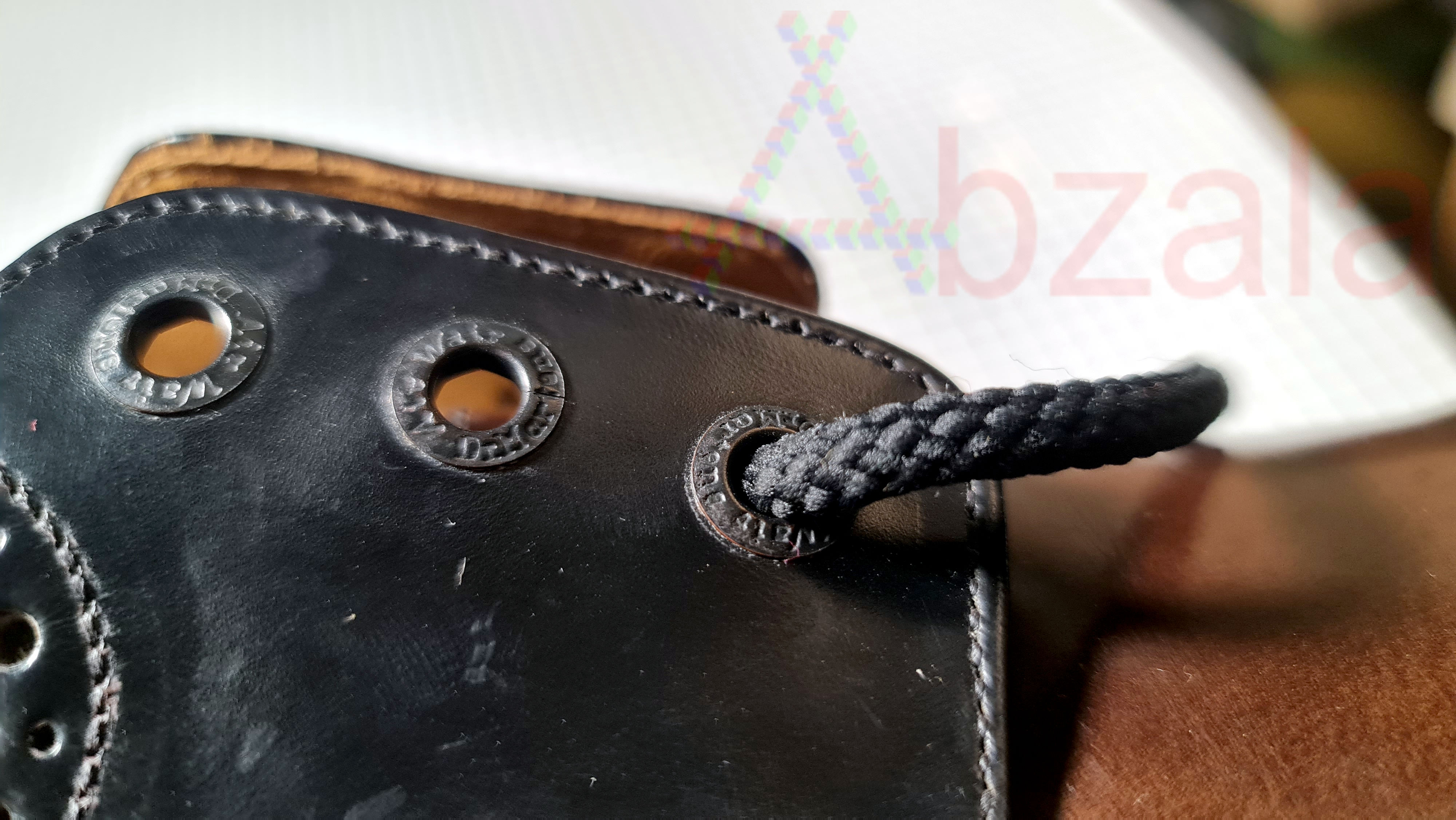
The thickness of the laces is also impressive.
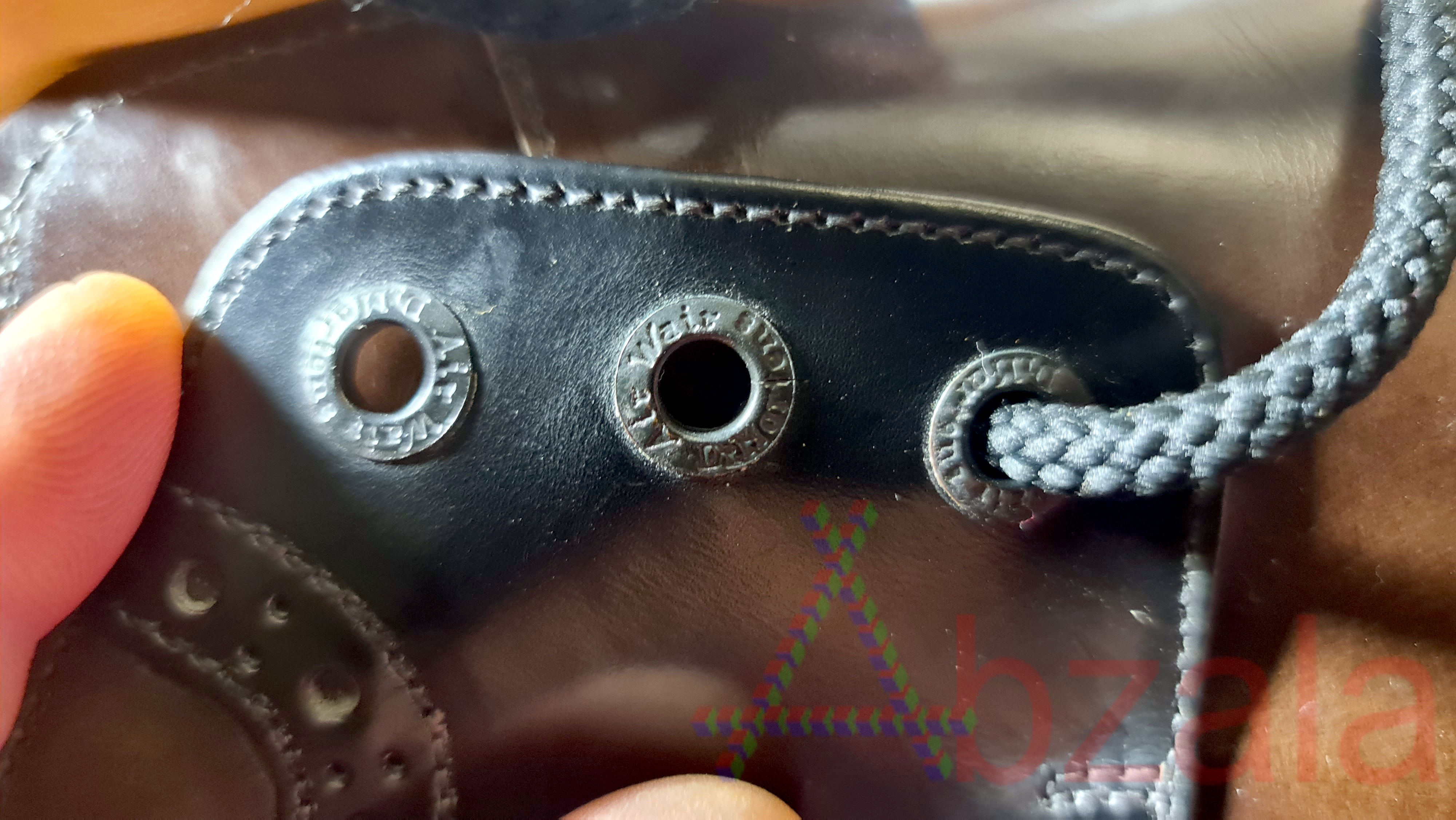
The eyelets on the boots are branded, with the company logo on the front side.
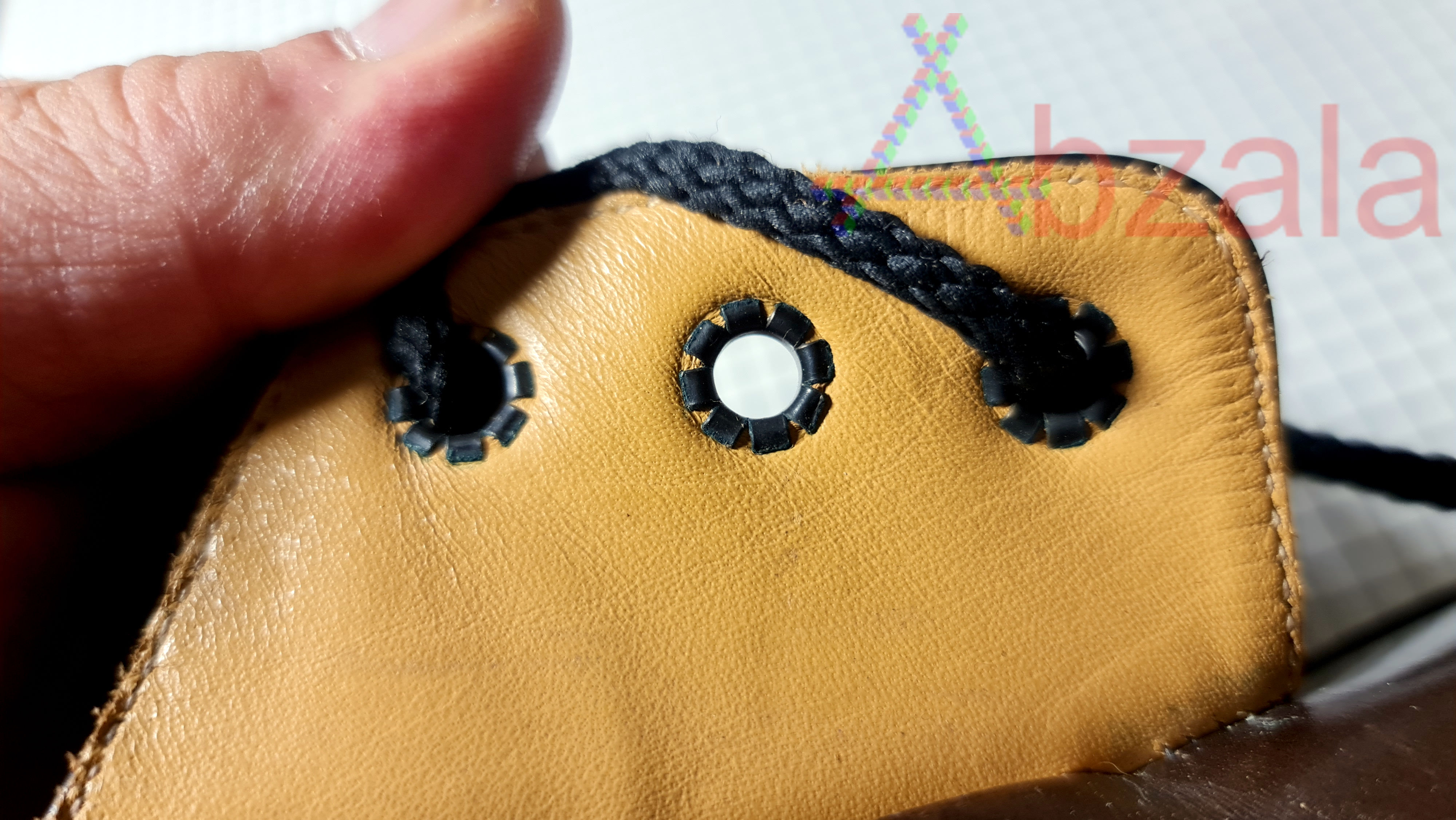
The eyelets on the back have just perfect petals.
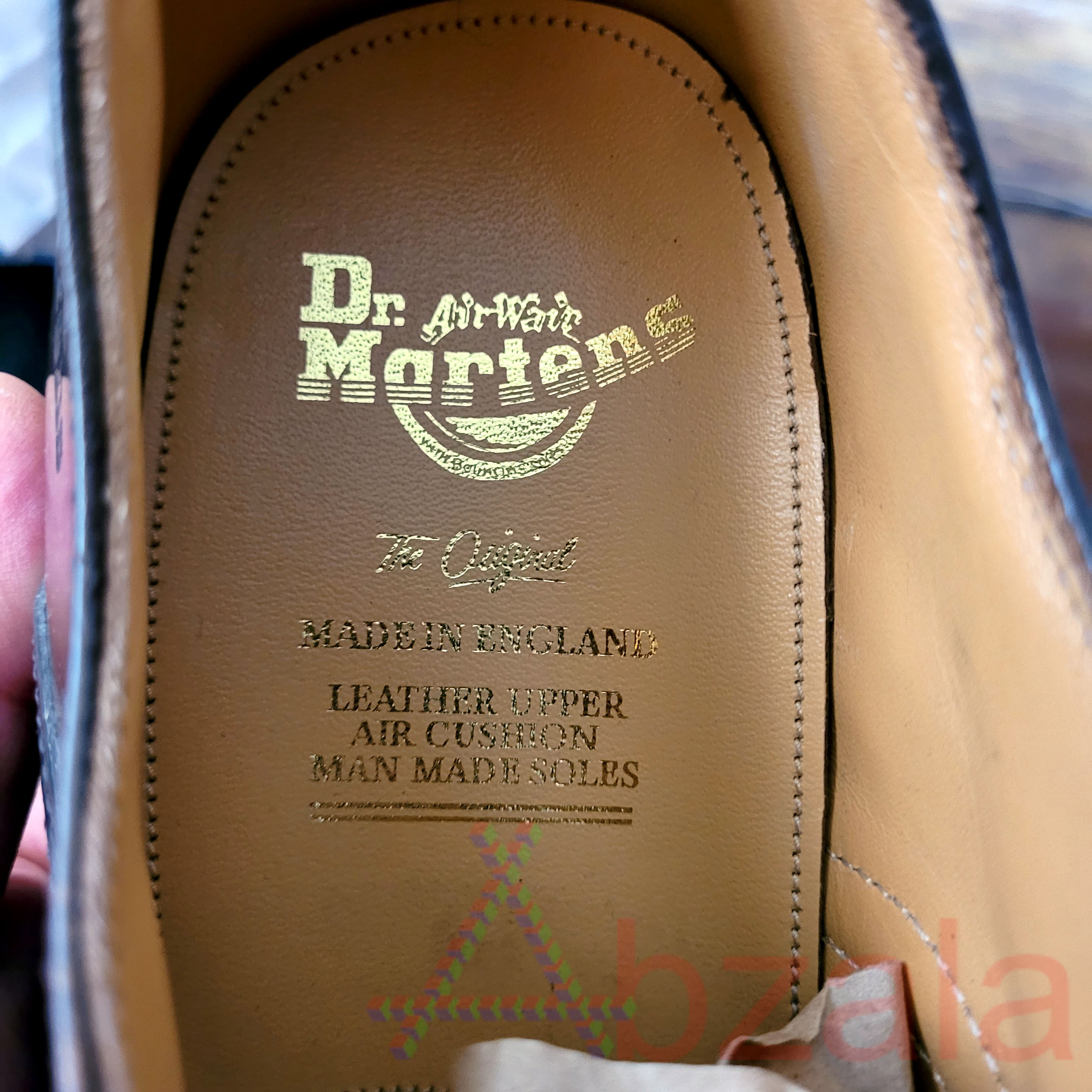
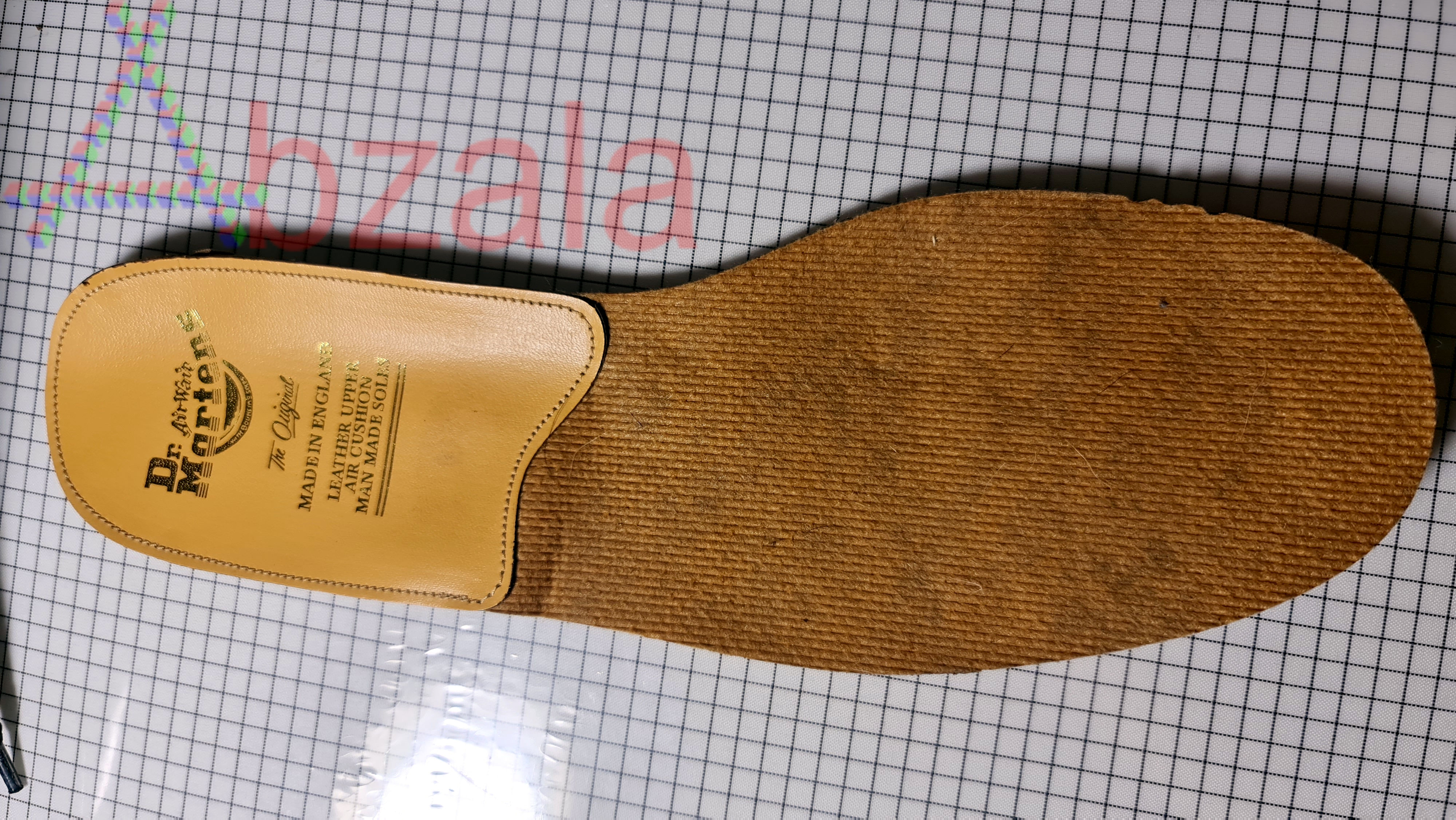
This model has a leather insole, not foam or material.
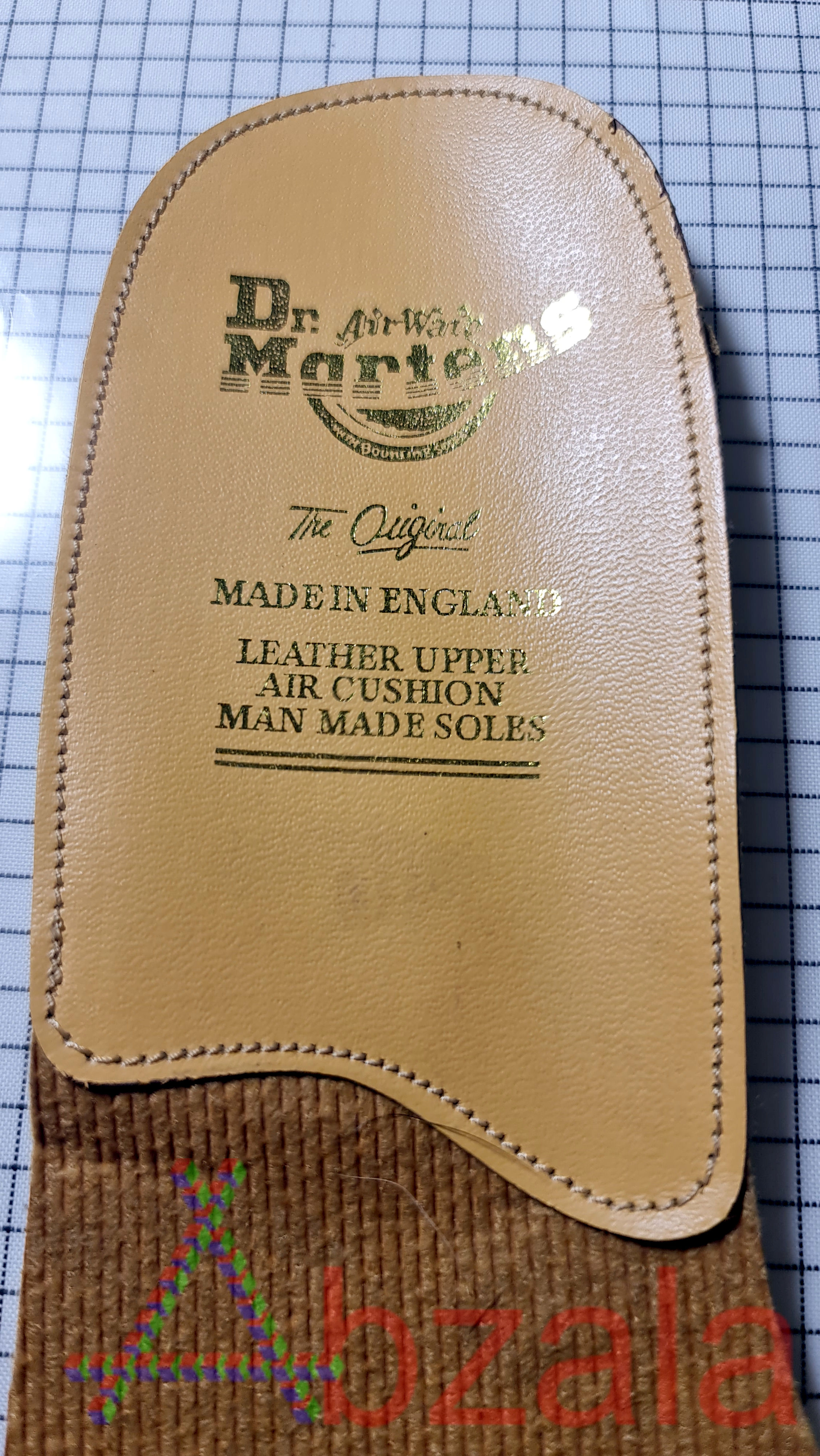
The insole has the inscription leather upper air cushion man made sole.
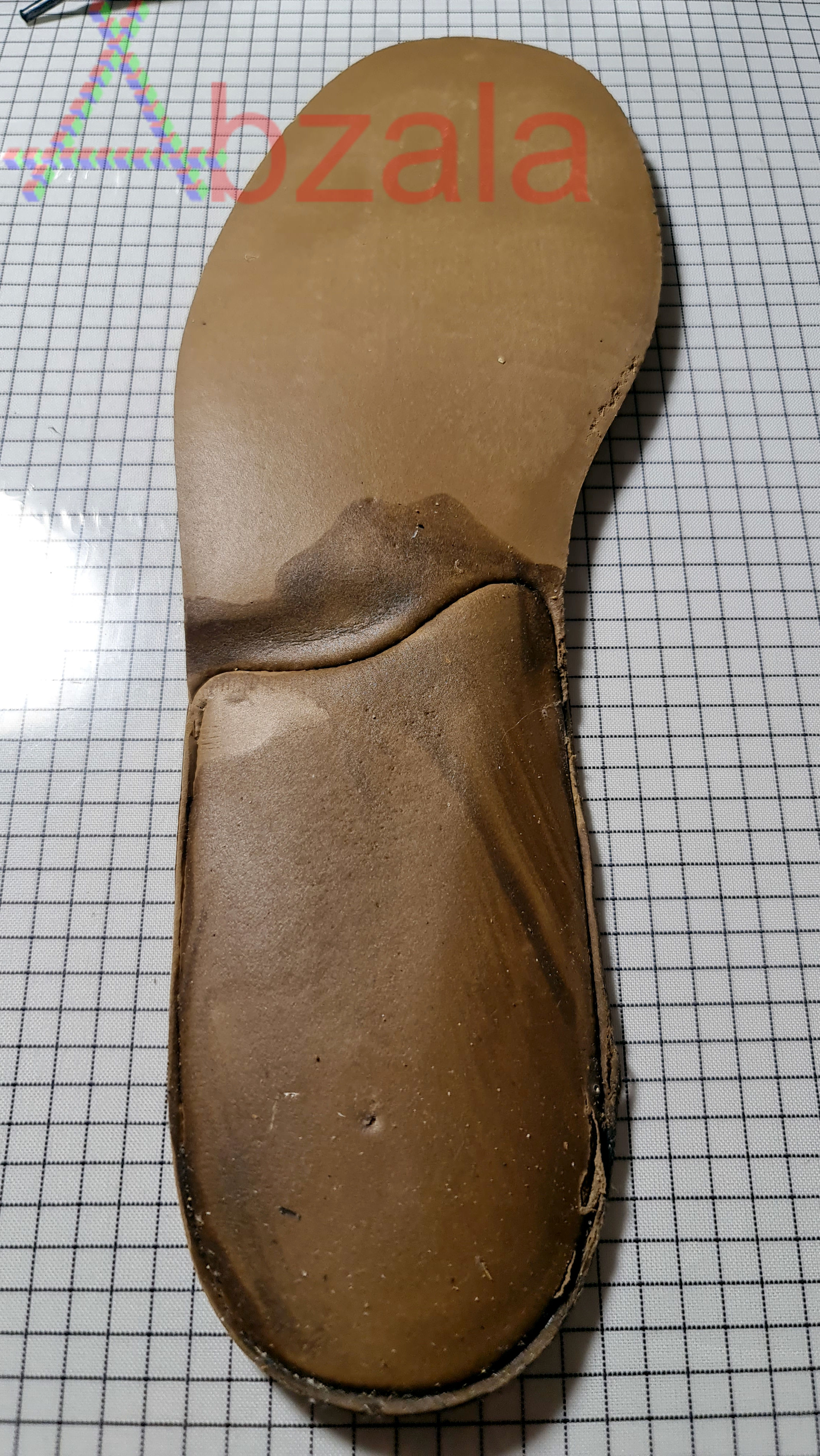
In addition to the sole's air chambers, the insole also has a cushioning lining. It's worth noting that the insole is included, while modern boots are shipped without one. Many buyers don't even realize this and try on shoes directly over the leather-lined insole. Not everyone looks inside the boot, for example, the Dr. Martens 1460, to realize that beyond the half-insole is cardboard, which will quickly become damp from foot traffic and begin to wear out.
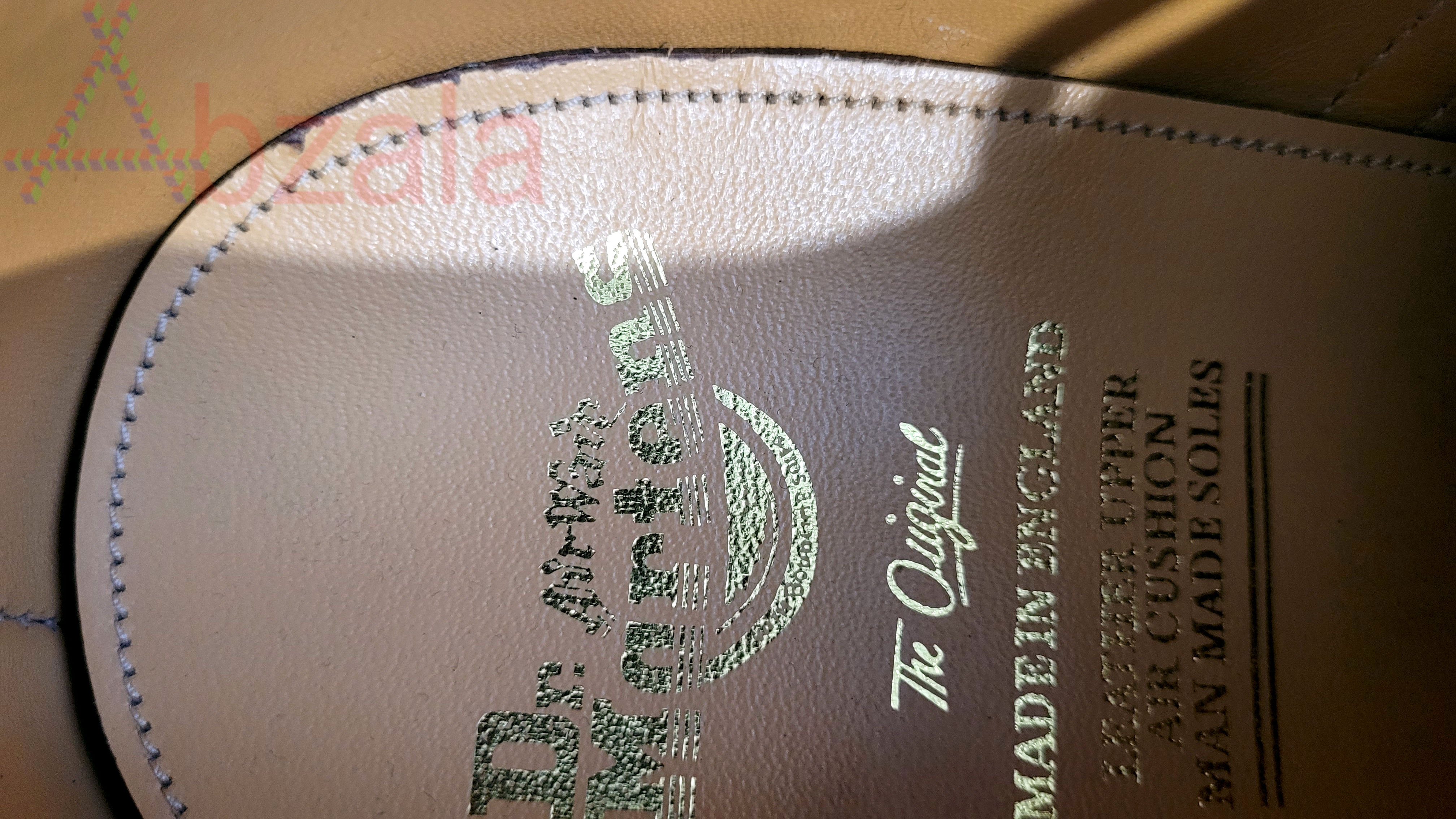
The stitch length on the insoles is also 1 millimeter, indicating high quality workmanship.
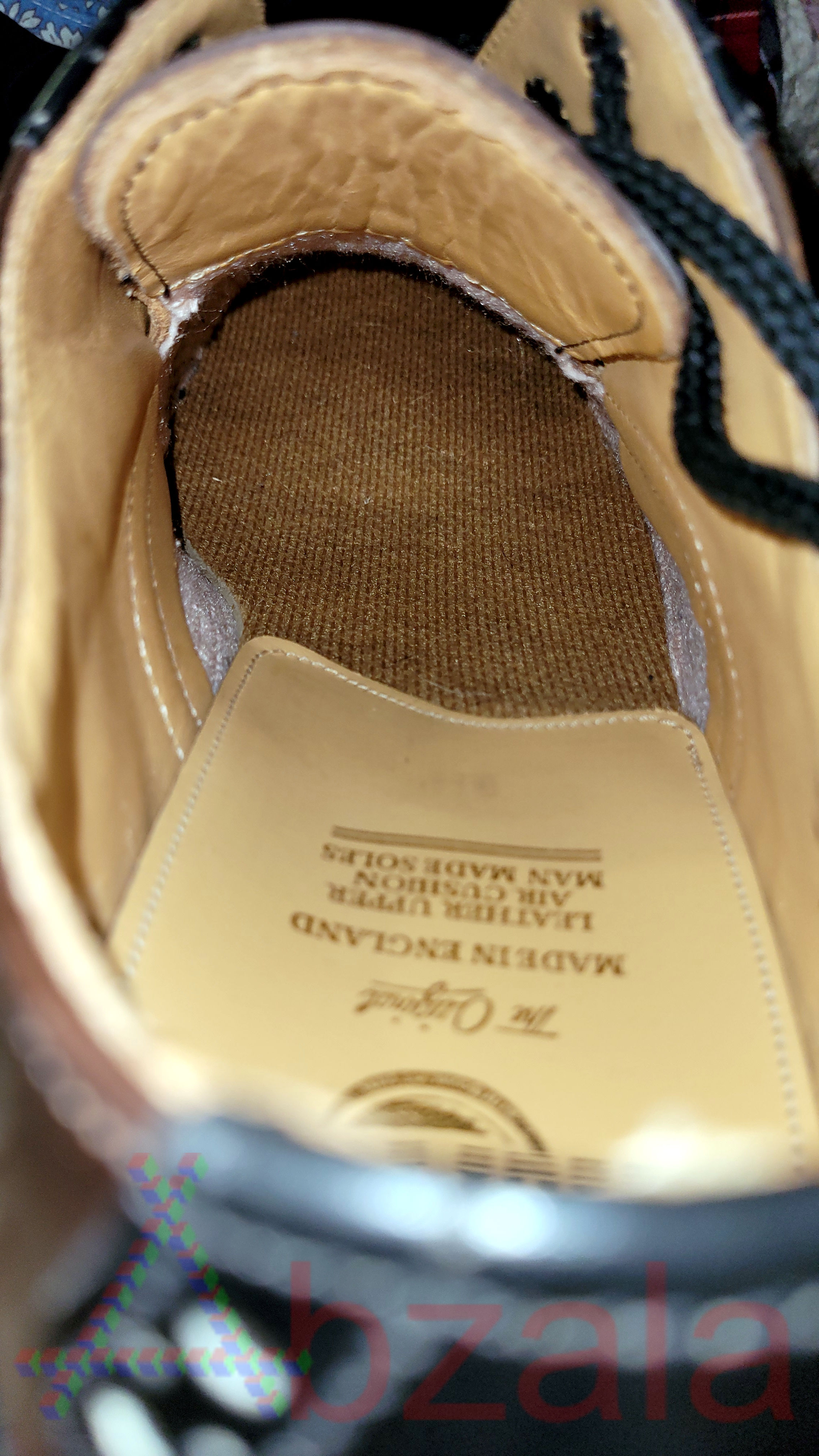
There are no protruding seams in this model that need to be rubbed down during wear; everything is perfectly smooth.
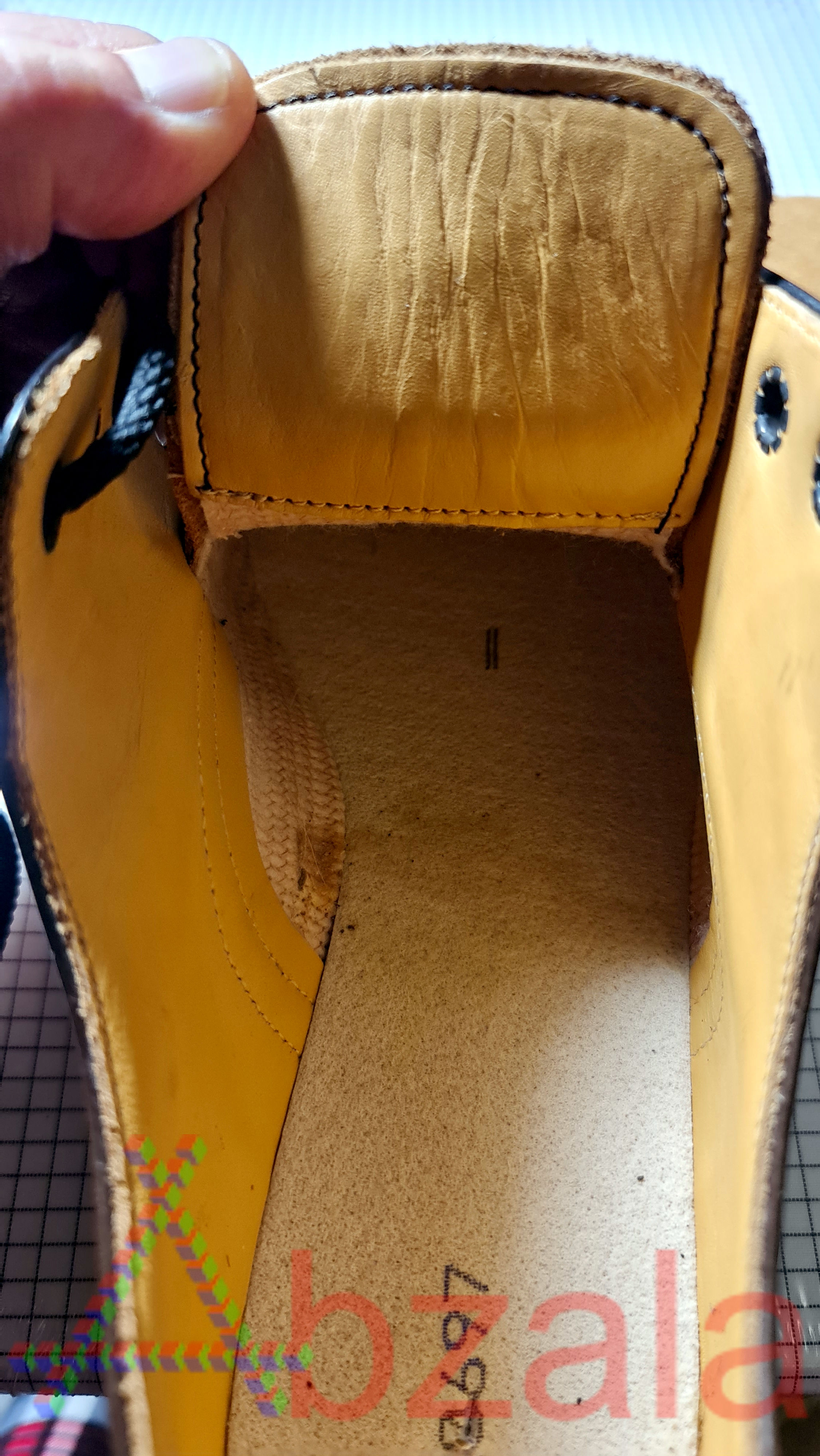
There is no information label on the tongue.
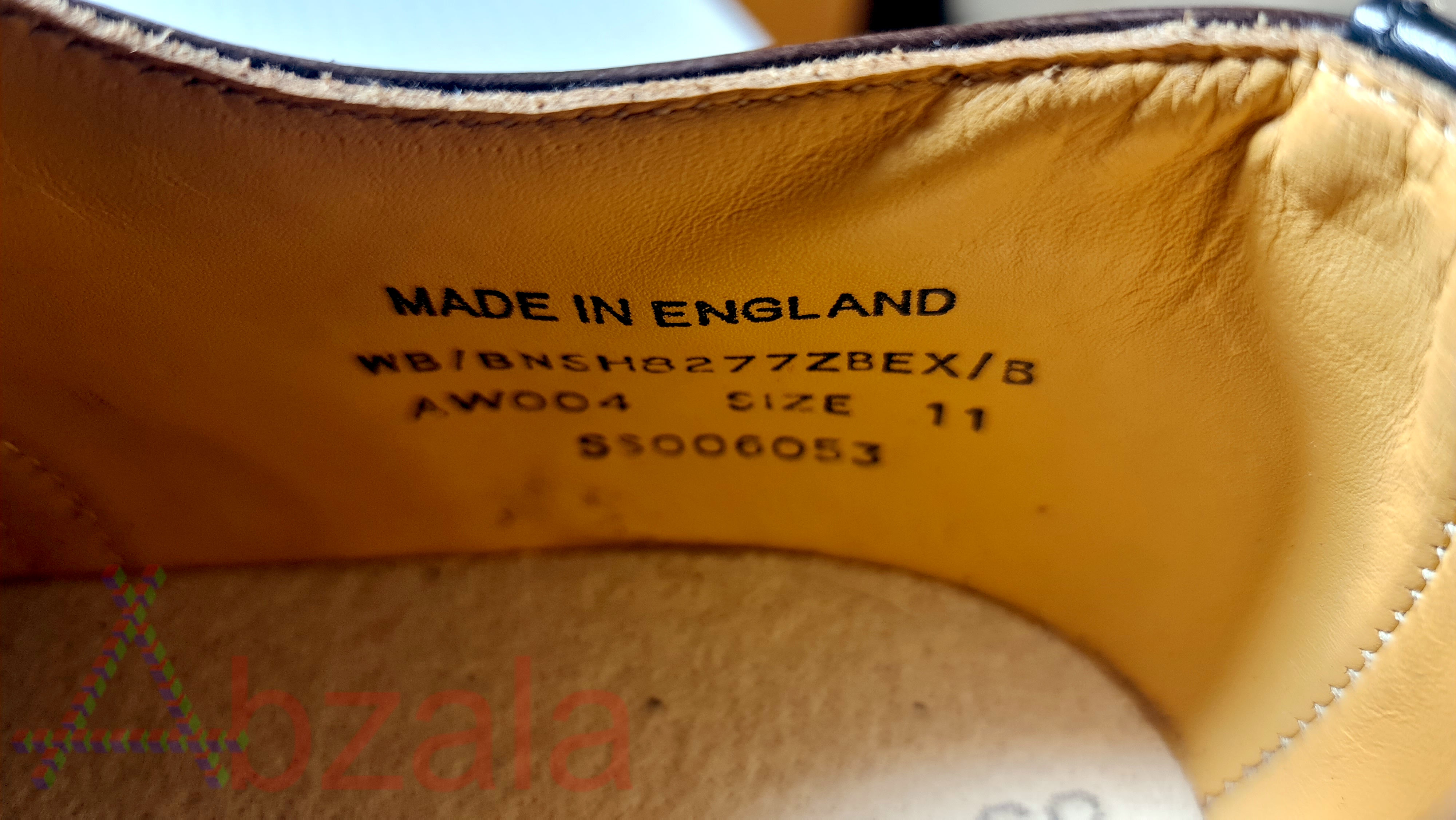
All the information is located on the leather lining. Those who haven't seen shoe production can't imagine the high level of production culture required to mark a half-pair at the cutting stage. Any defects at any stage of production must be discarded or completely reworked by hand, which is quite resource-intensive after the shoe has been fully assembled.
This pair was made in England. I have never seen shoes from Asia with such a high level of quality, with the exception of Japan, of course, whose shoes regularly and deservedly win prizes at various exhibitions.
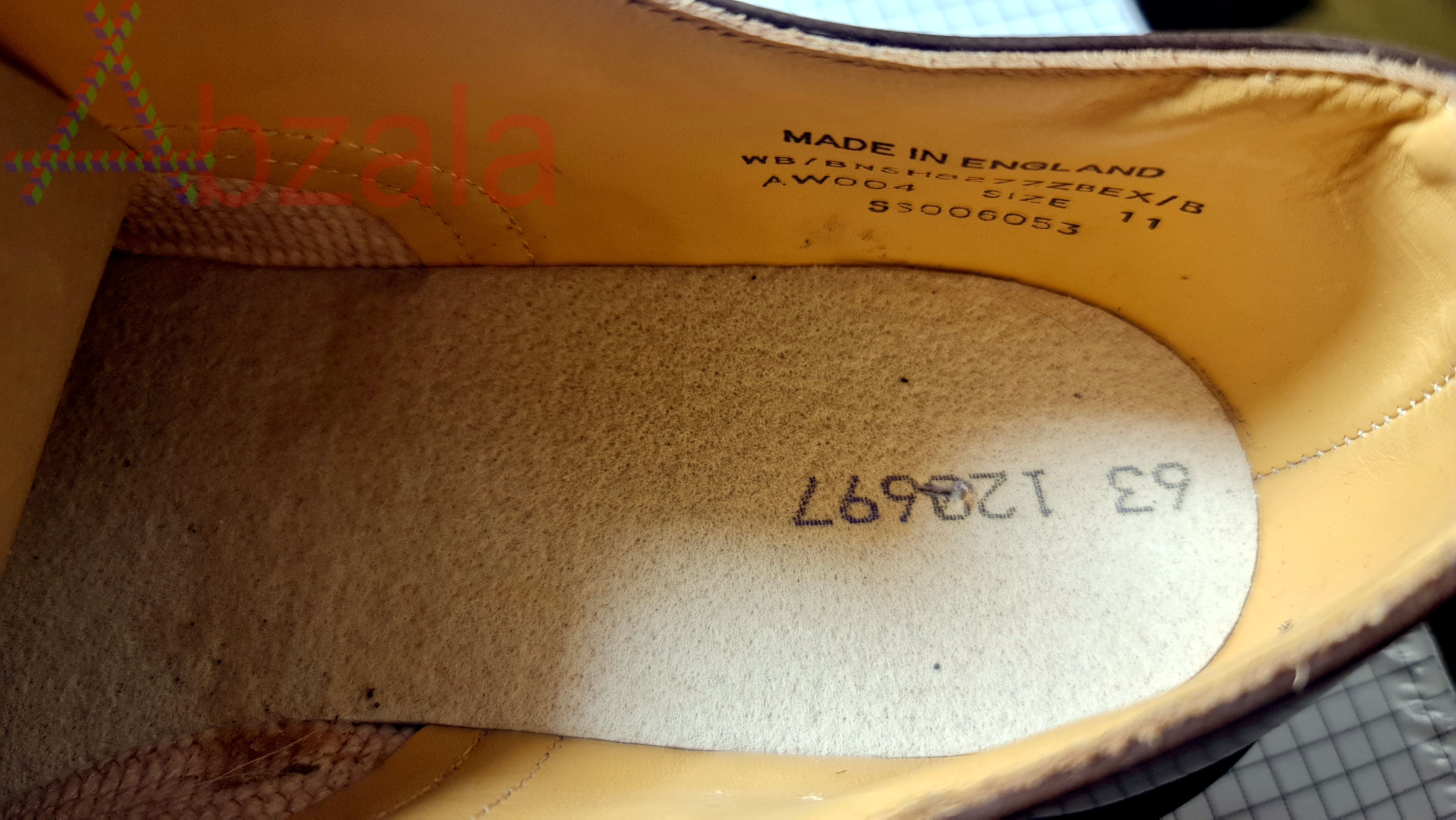
The insole is made of specially prepared leather, not leatherboard and, especially, not cardboard, which also indicates the high cost and quality of the boots.
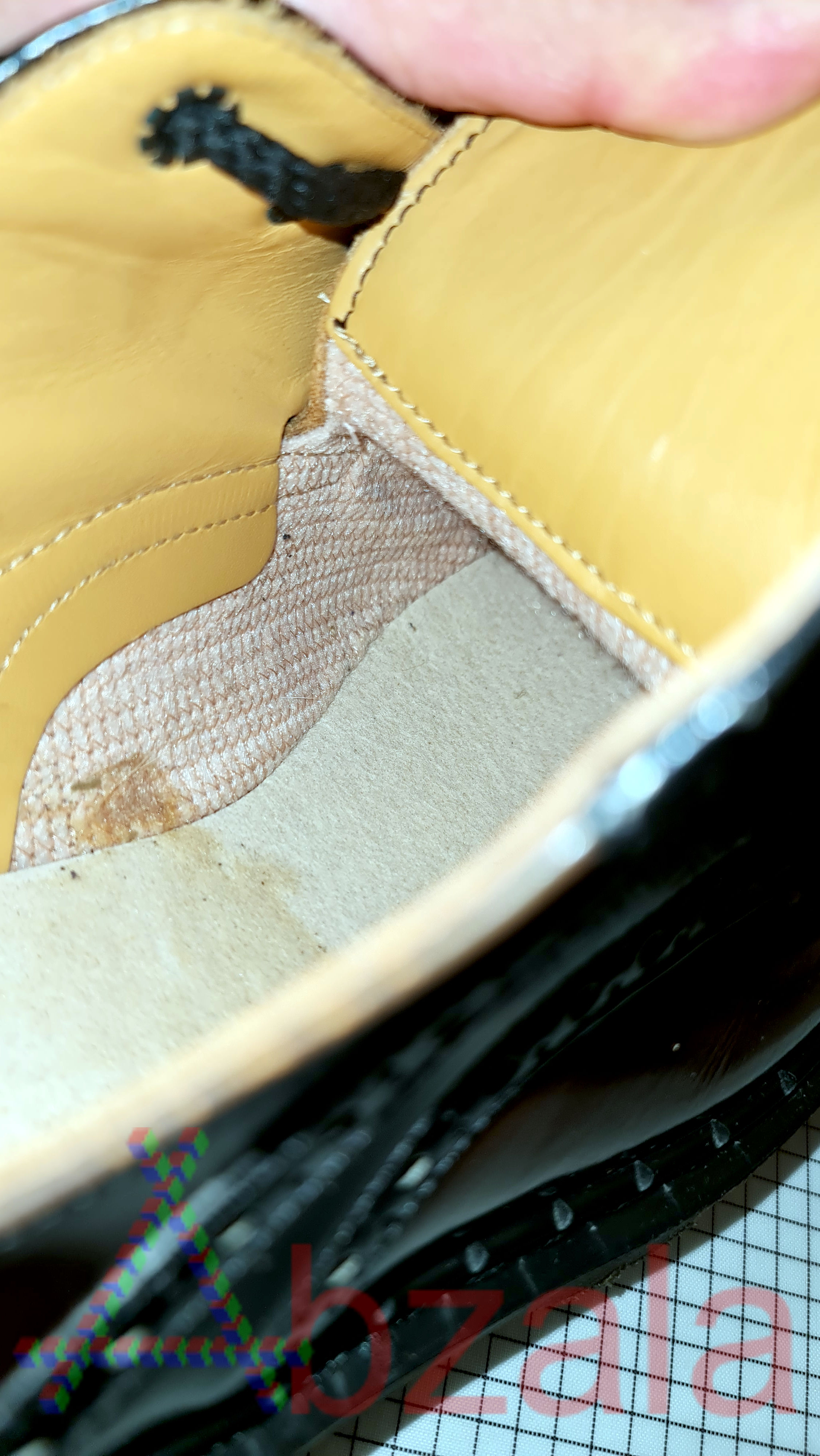
The interior is lined with woven material.
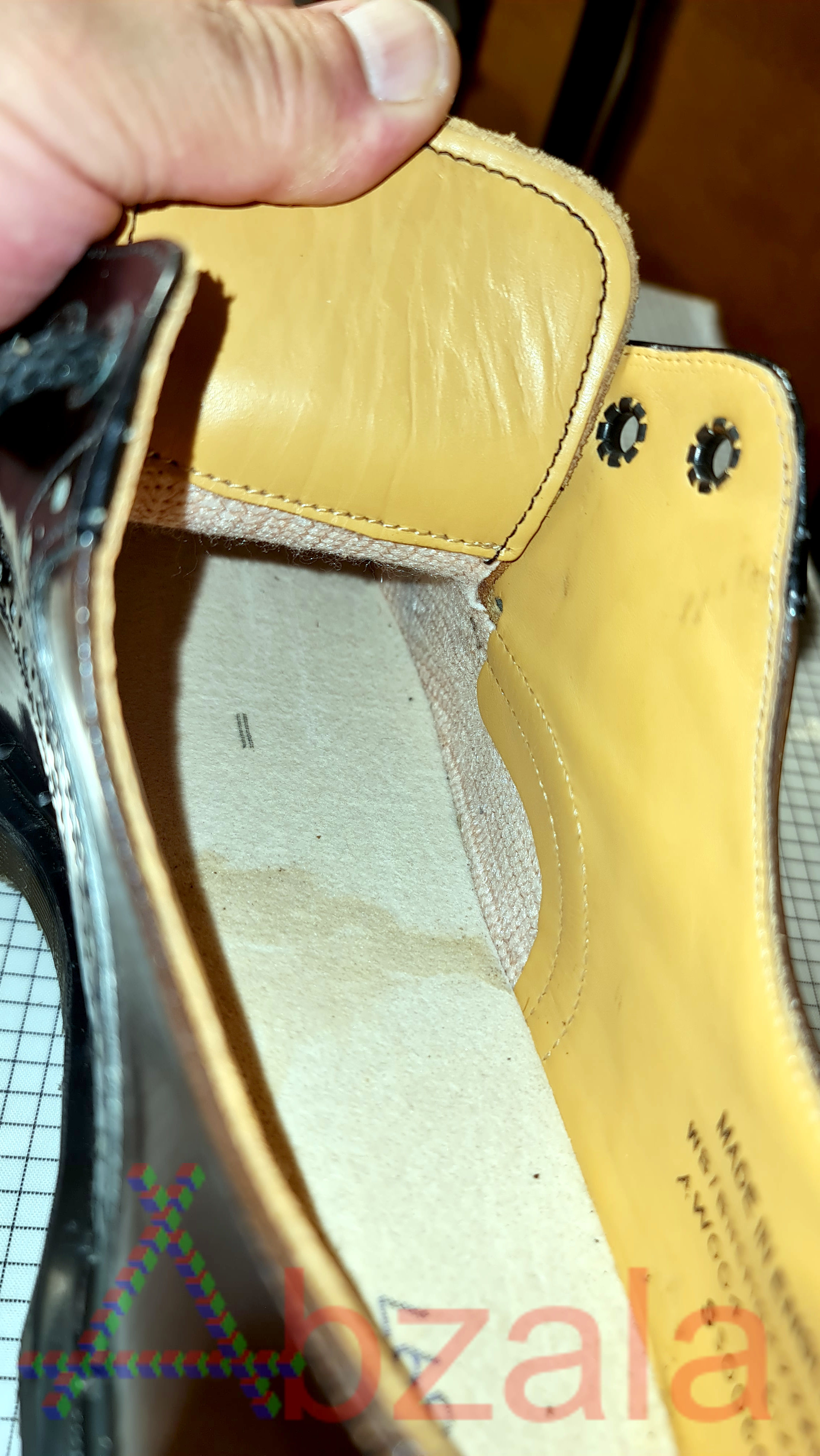
I am not a fan of material lining and consider it a weak link in leather products designed for long-term use.
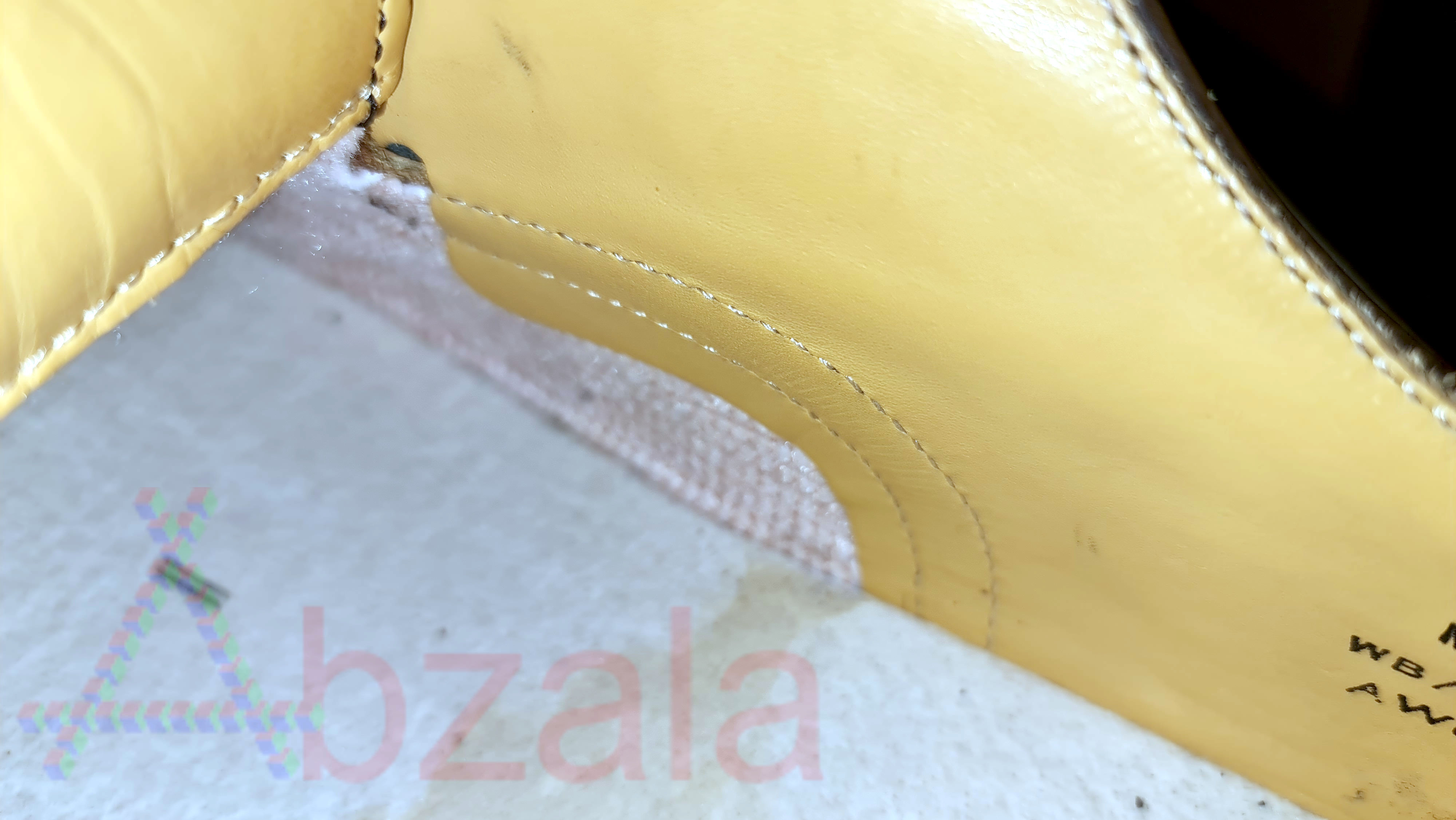
Despite the fact that the boots are made of good-thickness leather and have a fabric lining, your feet don’t sweat in these boots; on the contrary, you feel a little cool.
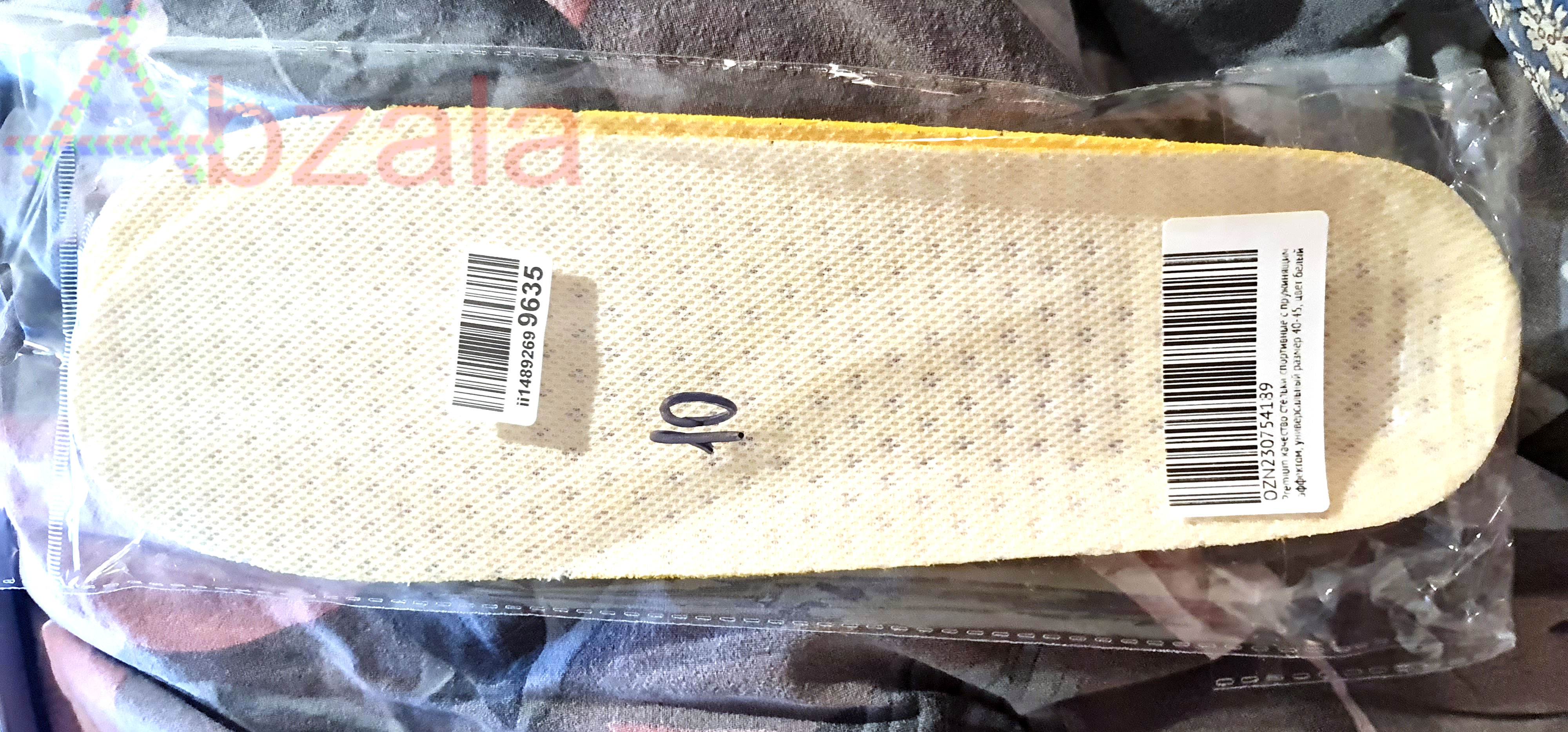
I bought insoles for these boots on OZON, which have proven themselves well over the season DR MARTENS 1B99 Quad.
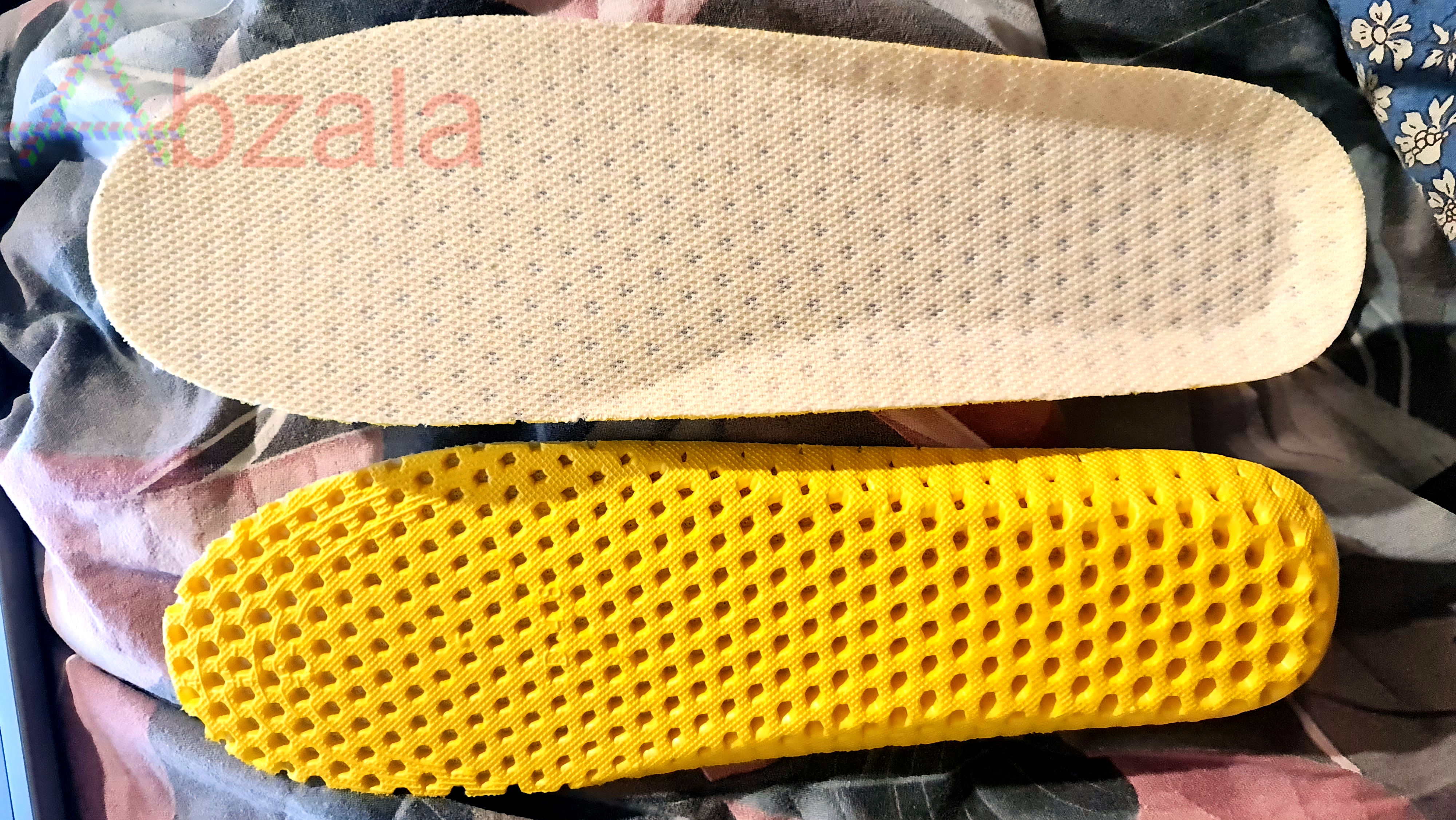
Despite the fact that these insoles are perforated, they are hard enough to prevent foot deformation.
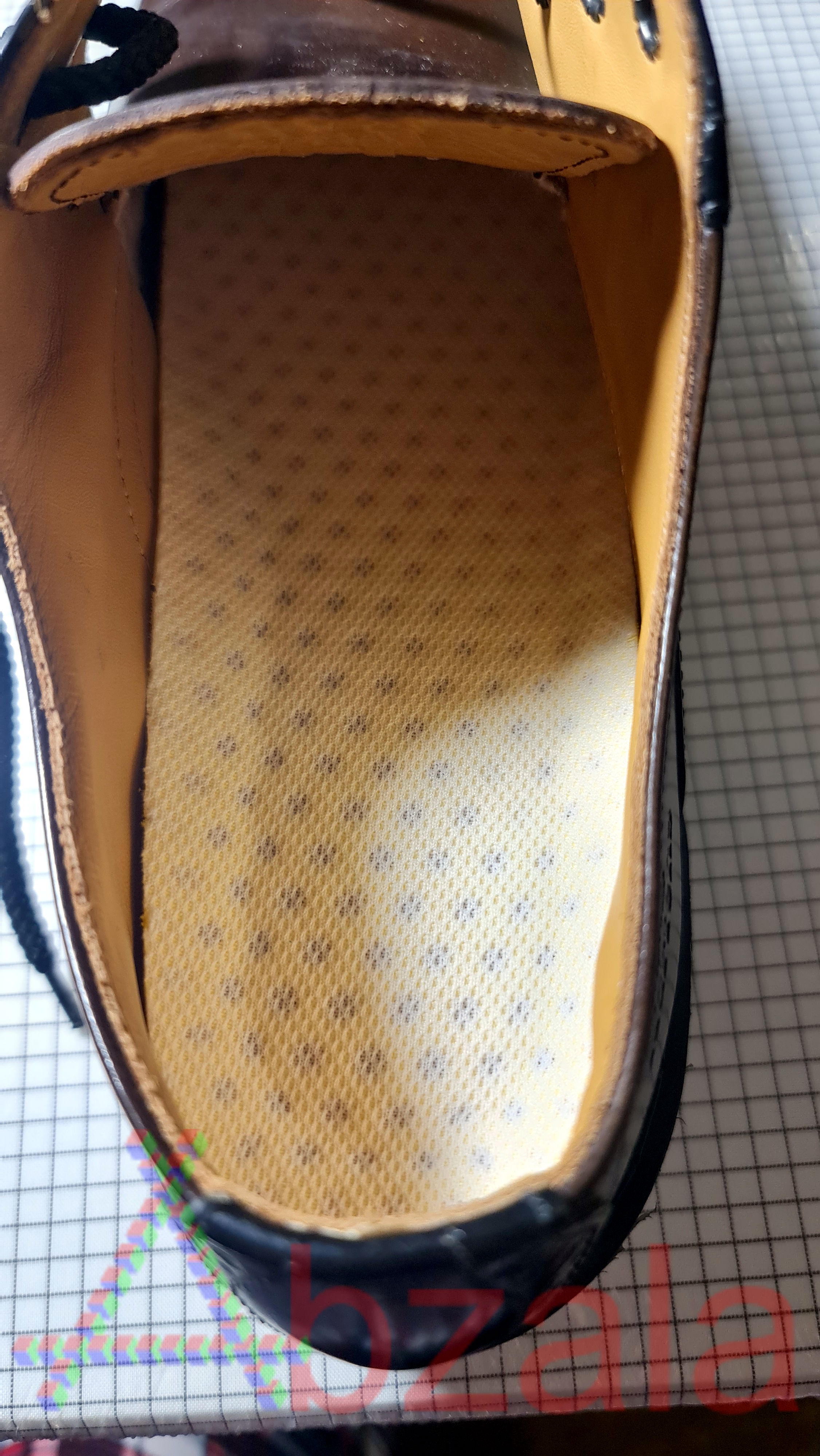
This insole is the exact size as the original Dr. Martens insole.
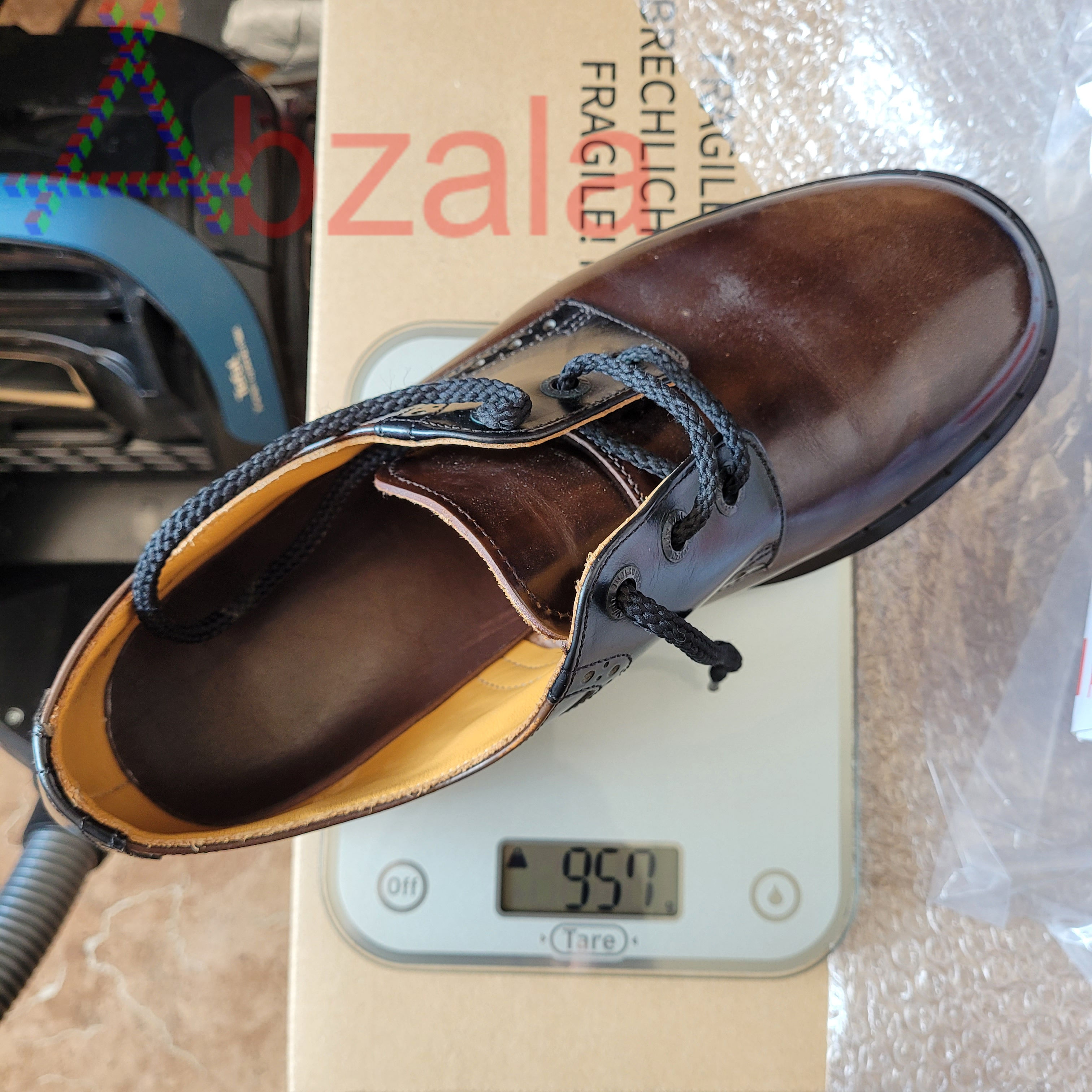
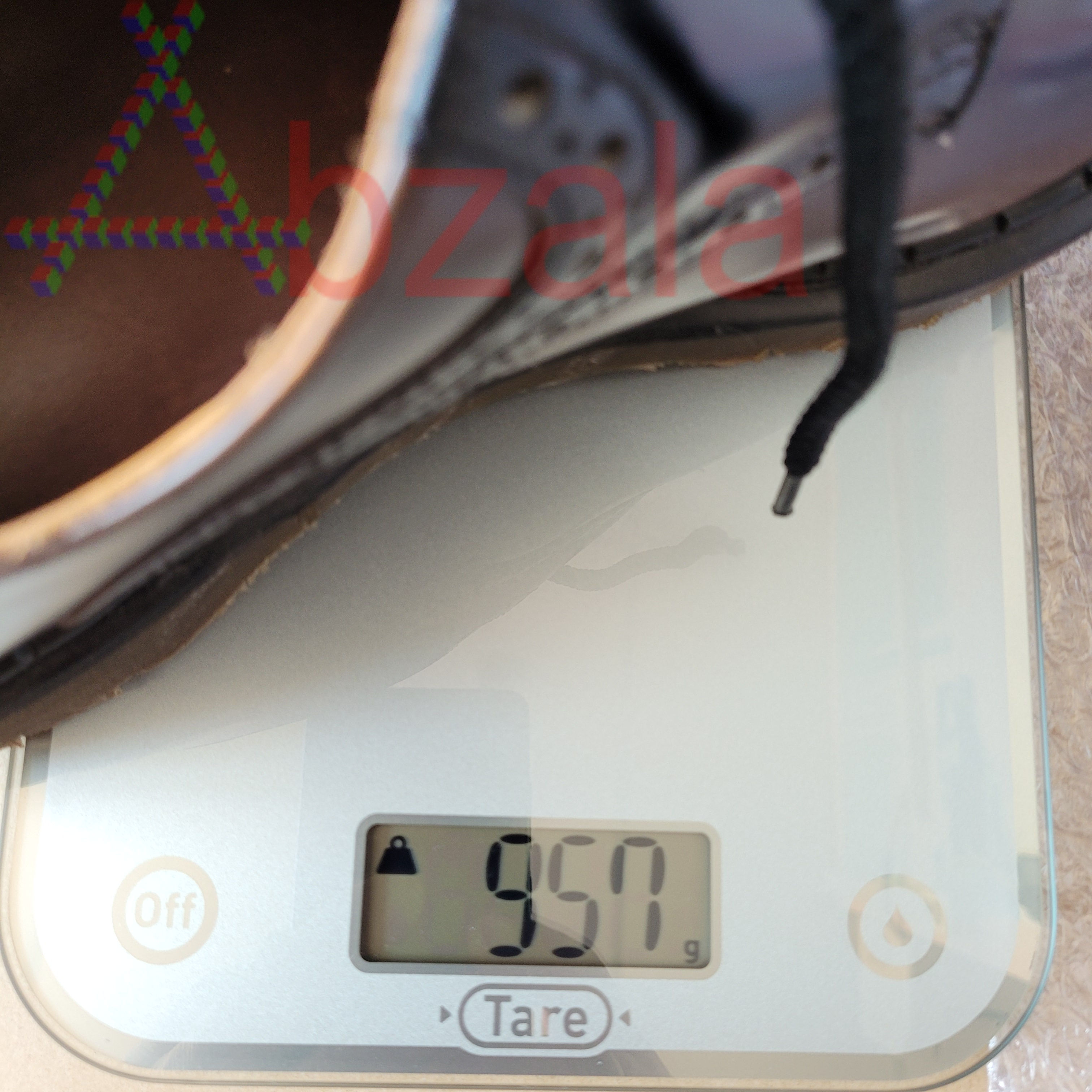
The half pair weighs 957 grams with my 5mm thick leather insole, which is standard for a half pair of classic, real shoes (about 2 kilograms for a pair of short boots).
To say I'm satisfied is an understatement. They're simply wonderful shoes, but unfortunately, they're becoming a thing of the past, unable to compete with cheap, low-quality Asian products.