Russian (Russia)
  English (United Kingdom)

Many people who encounter Arabic perfumes develop a passion for exploring them and purchasing fragrances.
It creates the illusion that I’m about to find a scent that will completely satisfy me.
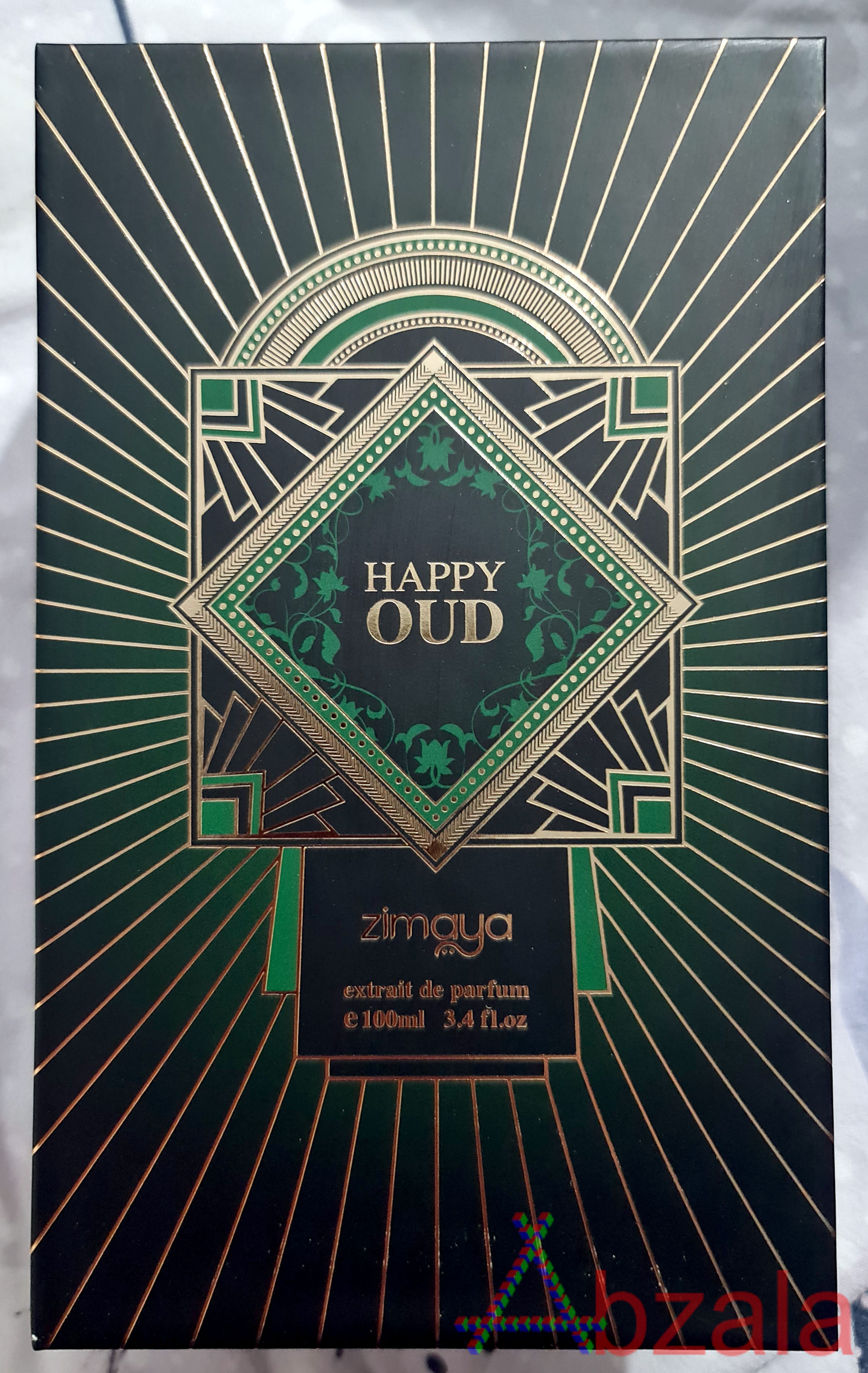
I bought the perfume (not eau de toilette or eau de parfum) Happy oud by Zimaya at the peak of my passion.
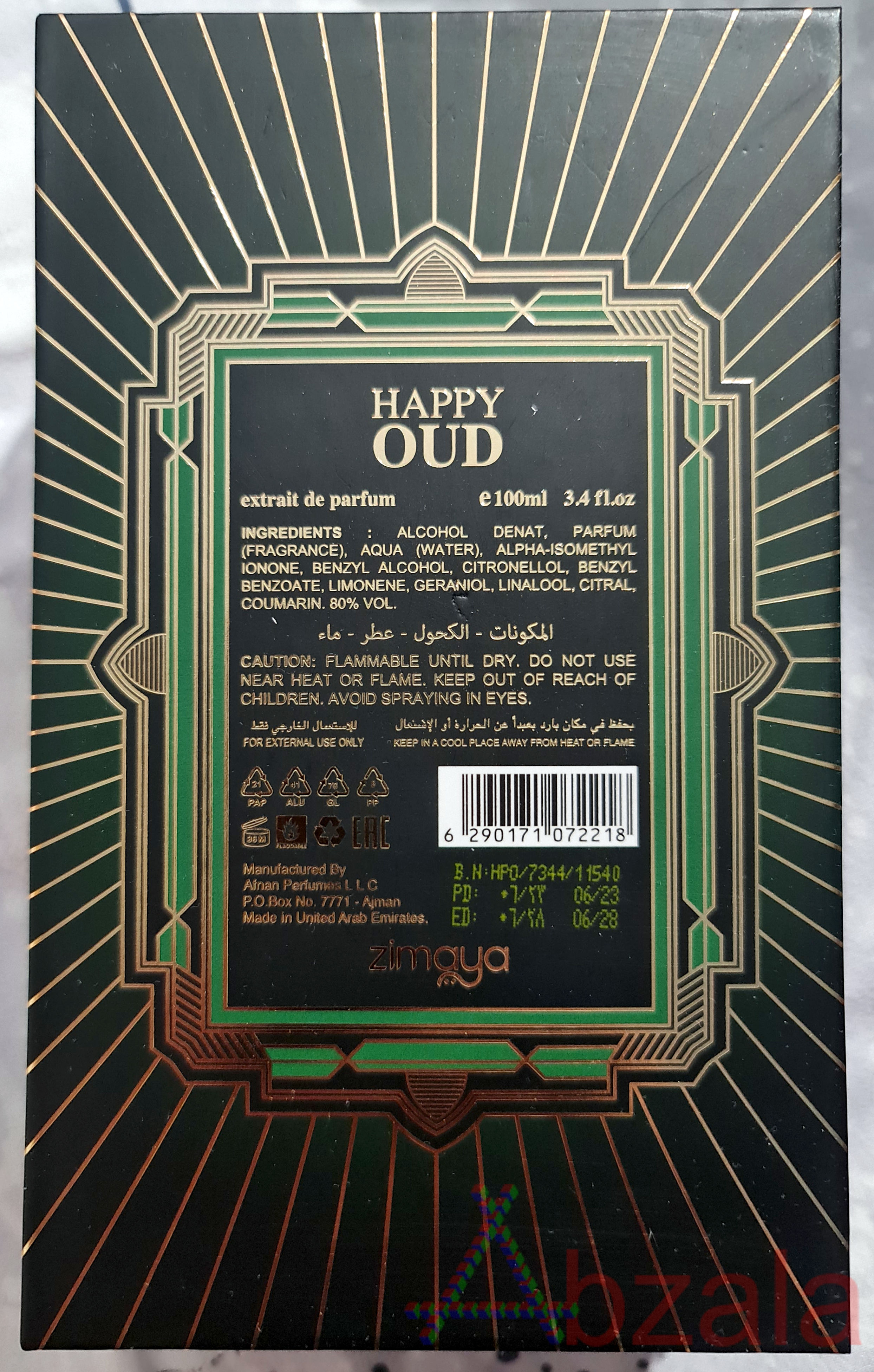
A beautiful presentation, not just some cardboard boxes, simply beckoned to buy them.

The Arabs copied some design styles, but the price remains quite affordable.
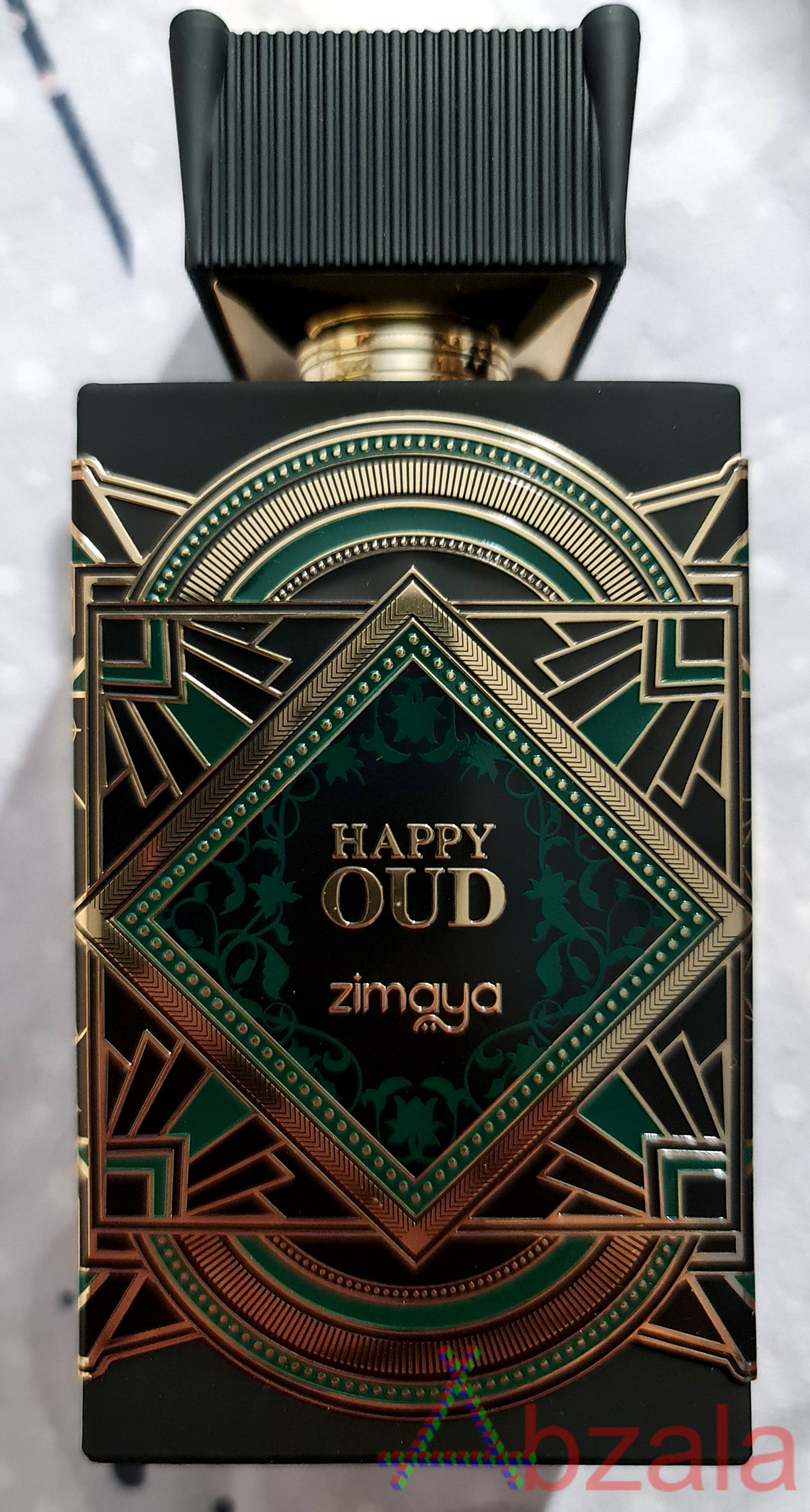
The perfume bottle has a soft-touch finish and a metal inlay. The inlay is attached with cheap glue, so it sometimes peels off the bottle and then sticks again.
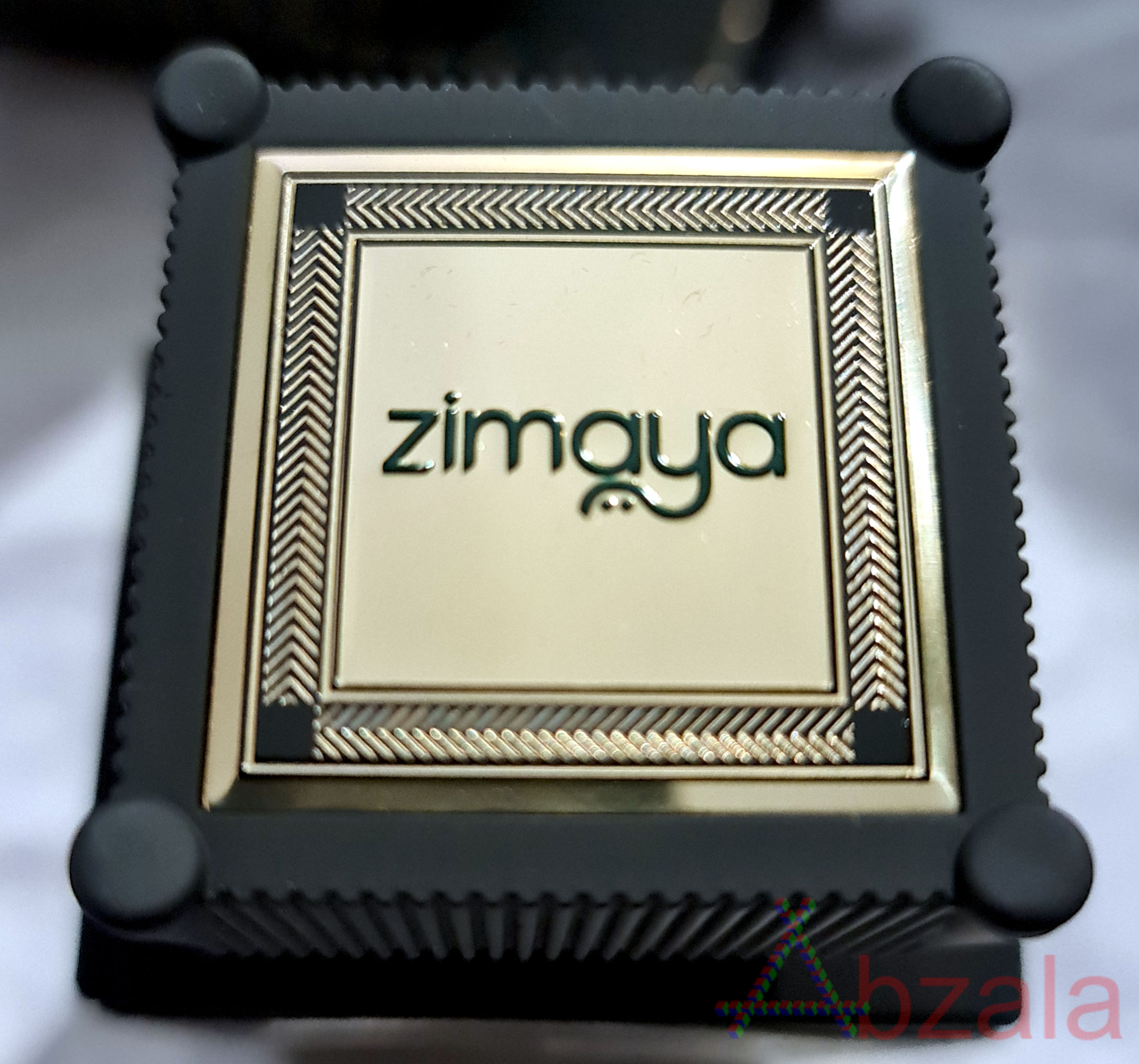
The lid is made just perfectly.
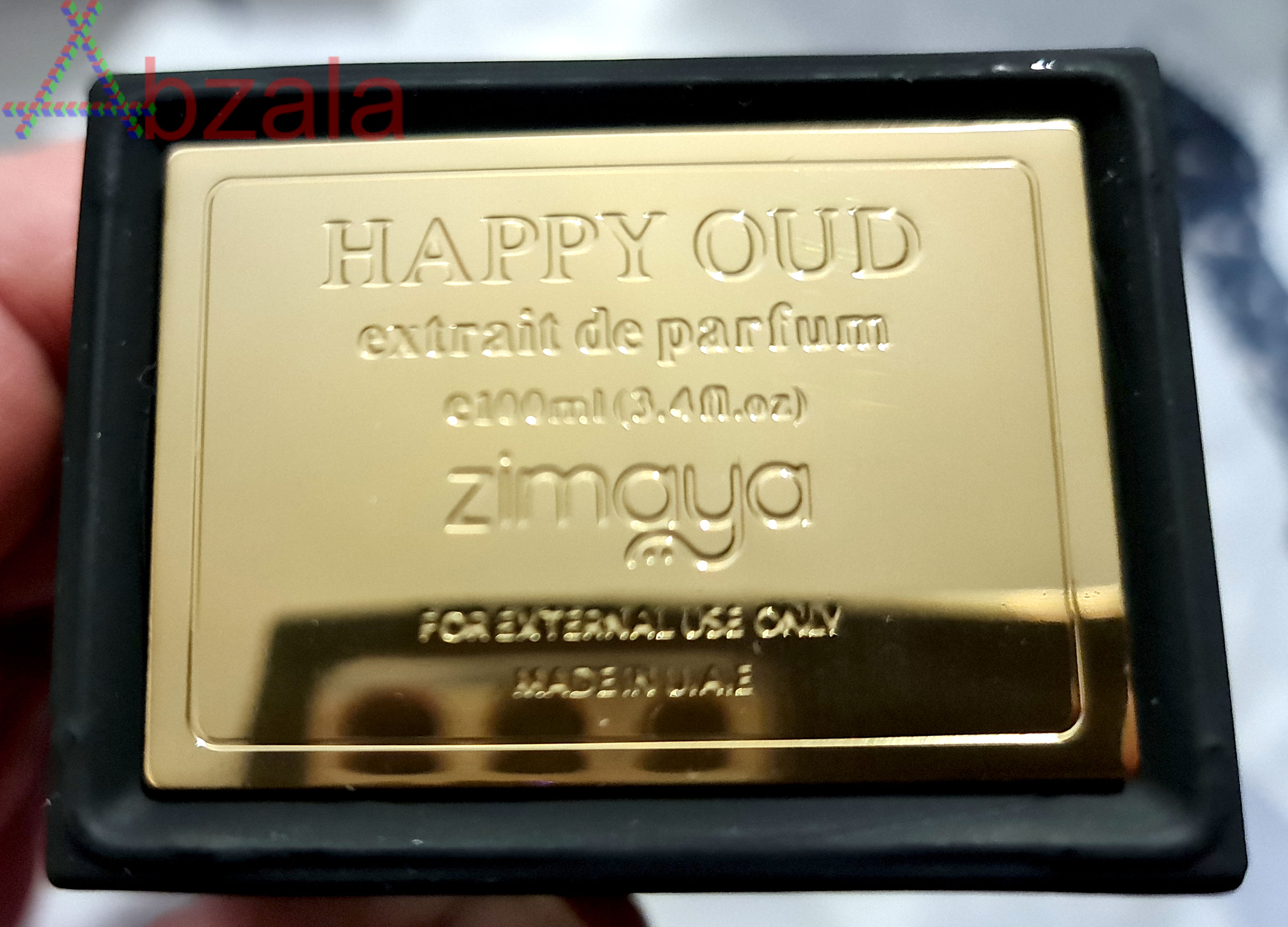
There is a metal plate on top of the lid.

The name of the perfume and the container are embossed on the lid.

The packaging is simply stunning - in general, Arabic perfumes with their packaging are an ideal ready-made gift for someone or yourself.

Upon application, a strange, unpleasant odor appears at first. After a few minutes, a rhubarb scent emerges, followed by oud.
There's a strong sillage at first, but it only lasts as long as the perfume settles on the skin. There's no real buildup—the perfume fades gradually, and after two hours, it's hard to tell where it was on the body.
Given its rich composition and relative freshness, Zimaya's Happy Oud perfume can be used as an aftershave lotion. Some aftershave lotions have a greater scent and lasting power than most Arabian perfumes.
Writing about Arabian perfumes is simply boring: yes, they're mostly beautiful scents, copied from European perfumers. But it's so brief, monotonous—without any real development, and so brief—that there's really nothing to write about.